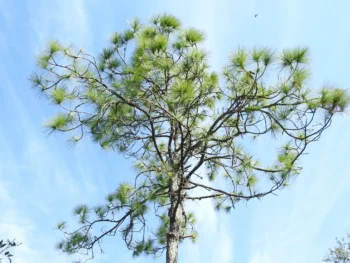
Florida Slash Pine: A Towering Native for South Florida Landscapes
If you’re looking for a majestic native tree that truly belongs in South Florida, meet the Florida slash pine (Pinus elliottii var. densa). This impressive pine variety is as Floridian as key lime pie, but considerably taller and more long-lived!
What Makes Florida Slash Pine Special?
The Florida slash pine is a distinct variety of the more widespread slash pine, perfectly adapted to South Florida’s unique climate and conditions. As a perennial tree, this woody giant develops a single, straight trunk that can tower well above 13-16 feet, making it a true statement piece in any landscape large enough to accommodate its grandeur.
You might also encounter this tree listed under several scientific synonyms, including Pinus densa, but don’t let the botanical name shuffle confuse you – they’re all referring to this same remarkable South Florida native.
Where Does It Call Home?
This pine is exclusively native to Florida, making it a true state treasure. Unlike its cousin, the regular slash pine, which ranges throughout the southeastern United States, the Florida slash pine keeps things local, thriving specifically in South Florida’s distinctive ecosystem.
- Species observed
- No observations
Should You Plant Florida Slash Pine in Your Landscape?
Here’s the honest truth: Florida slash pine isn’t for everyone, but when it’s right, it’s absolutely spectacular. This tree is perfect if you have:
- A large property with plenty of space for a towering tree
- A desire to support native Florida ecosystems
- Interest in creating a naturalized or restoration landscape
- Patience for a tree that will be enjoyed by future generations
However, skip this pine if you’re working with a small suburban lot, need immediate privacy screening, or want a tree you can easily manage with regular pruning.
Growing Conditions and Care
One of the best things about Florida slash pine is its adaptability to various soil conditions. This tough native can handle everything from well-drained sandy soils to areas that stay quite wet – a real advantage in Florida’s variable rainfall patterns.
For successful growing:
- Sunlight: Full sun is essential – this isn’t a shade tree candidate
- Soil: Adaptable to various drainage conditions, from well-drained to poorly drained
- Climate zones: Thrives in USDA hardiness zones 9b through 11
- Spacing: Give it plenty of room – think decades ahead!
Planting and Maintenance Tips
The good news is that once established, Florida slash pine is remarkably low-maintenance. Here’s how to get started:
- Plant from container-grown specimens rather than attempting to transplant wild trees
- Choose your location carefully – this tree doesn’t appreciate being moved once established
- Water regularly during the first growing season to help establish a strong root system
- After establishment, natural rainfall should suffice in most years
- Avoid unnecessary pruning – let this tree develop its natural form
The Wildlife Connection
While Florida slash pine is wind-pollinated and doesn’t provide direct benefits to bees and butterflies, it plays a crucial role in the broader ecosystem. The seeds feed various birds, and the tree provides nesting habitat for numerous species. As a fire-adapted species, it also plays an important role in maintaining Florida’s natural fire cycles.
Is Florida Slash Pine Right for You?
If you have the space and the vision for a truly native South Florida landscape, Florida slash pine can be an exceptional choice. It’s not invasive, it’s not rare to the point of concern, and it’s perfectly suited to local conditions. Just remember – this is a commitment tree, not an impulse purchase!
Consider pairing it with other South Florida natives for a landscape that truly celebrates your region’s natural heritage. Your local native plant society or extension office can help you source responsibly grown specimens and suggest complementary native plants for a complete ecosystem approach to landscaping.