Florida Tasselflower: A Colorful Non-Native Annual Worth Knowing
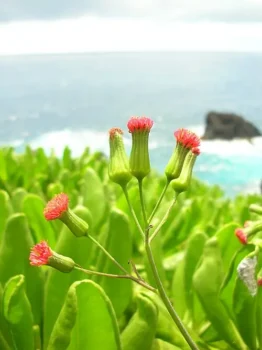
If you’ve spotted small, vibrant orange flowers that look like tiny tassels dancing in the breeze, you might have encountered Florida tasselflower (Emilia fosbergii). This charming annual has made itself at home across many warm regions of the United States, bringing a splash of color wherever it grows.
What is Florida Tasselflower?
Florida tasselflower is a non-native annual forb that originally hails from tropical Africa. Despite its common name suggesting Florida origins, this plant is actually an introduced species that has naturalized across several U.S. states and territories. It’s a member of the sunflower family and gets its tasselflower name from its distinctive small, tubular flower heads that cluster together like miniature tassels.
Where Does It Grow?
This adaptable plant has established populations across the warmer regions of North America. You’ll find Florida tasselflower growing wild in California, Florida, Georgia, Hawaii, Louisiana, and Texas, as well as in Puerto Rico, the U.S. Virgin Islands, and Navassa Island. It reproduces spontaneously in these areas without human assistance and tends to persist year after year.
- Species observed
- No observations
The Garden Appeal
Florida tasselflower brings several appealing qualities to the garden:
- Colorful blooms: Small, bright orange to red-orange flower heads that appear in clusters
- Pollinator magnet: Attracts bees, butterflies, and other small pollinators with its nectar-rich flowers
- Easy-care nature: Thrives with minimal attention once established
- Drought tolerance: Handles dry conditions well, making it suitable for water-wise gardening
Growing Conditions and Care
If you’re considering adding Florida tasselflower to your garden, here’s what you need to know:
Climate: Hardy in USDA zones 9-11, but can be grown as an annual in cooler regions
Sun and soil: Prefers full sun to partial shade and well-draining soils. This tough little plant tolerates poor soil conditions, making it perfect for challenging garden spots
Water needs: Based on its wetland status across different regions, Florida tasselflower typically prefers upland conditions and rarely occurs in wetland areas, except in the Caribbean and Hawaii where it may occasionally appear in wetter spots
Planting: Easy to grow from seed and readily self-seeds. Simply scatter seeds in spring after the last frost, and you’ll likely see volunteers appearing in subsequent years
Garden Design and Landscape Use
Florida tasselflower works well in:
- Informal or naturalized garden areas
- Mixed plantings as a colorful filler
- Edges of cultivated beds
- Disturbed or challenging sites where other plants might struggle
Its low-maintenance nature and ability to self-seed make it particularly useful in areas where you want color without constant replanting.
Should You Plant It?
While Florida tasselflower isn’t considered invasive or noxious, it’s worth noting that as a non-native species, it doesn’t provide the same ecological benefits as native plants. If you enjoy its cheerful flowers and easy-going nature, there’s no harm in letting it grow in your garden. However, if you’re passionate about supporting local ecosystems, consider these native alternatives that offer similar benefits:
- Native asters for fall color and pollinator support
- Local wildflowers in the sunflower family
- Regional native annuals that provide food for local wildlife
The Bottom Line
Florida tasselflower is a resilient, colorful annual that can add charm to informal garden spaces. While it may not be the best choice for supporting native ecosystems, it’s not harmful either. If you already have it growing in your garden, enjoy its bright blooms and pollinator-attracting qualities. Just keep in mind that it may spread through self-seeding, so monitor its growth if you prefer more controlled plantings.
Whether you choose to cultivate Florida tasselflower or opt for native alternatives, the key is creating a garden that brings you joy while being mindful of your local environment.