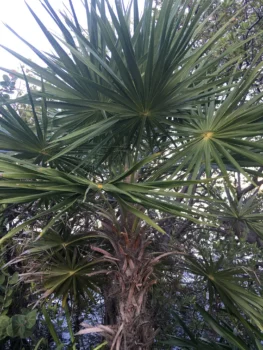
Florida Thatch Palm: A Native Treasure for Tropical Gardens
If you’re dreaming of adding authentic tropical flair to your South Florida garden, the Florida thatch palm (Thrinax radiata) might just be the perfect native beauty you’ve been searching for. This charming palm brings all the island vibes without the guilt of planting something that doesn’t belong in your local ecosystem.
Meet the Florida Thatch Palm
Also known by its botanical name Thrinax radiata, this delightful native palm has quite the collection of scientific aliases, including Thrinax floridana, but let’s stick with the name that rolls off the tongue easiest! As a perennial tree, this palm can live for many decades, slowly growing into a graceful specimen that typically reaches 13-16 feet in height, though it can sometimes stay shorter depending on growing conditions.
Where Does It Call Home?
The Florida thatch palm is proudly native to the lower 48 states, specifically calling Florida and some Caribbean islands home. In the United States, you’ll find this beauty naturally growing throughout Florida, from the mainland down through the Keys. It’s also native to Navassa Island and can be found throughout the Bahamas and other Caribbean locations.
- Species observed
- No observations
Why Your Garden Will Love This Palm
What makes the Florida thatch palm such a fantastic choice for your landscape? Let’s count the ways:
- Stunning fan-shaped leaves that create beautiful tropical silhouettes
- Compact size perfect for smaller residential landscapes
- Extremely salt tolerant, making it ideal for coastal properties
- Drought tolerant once established
- Produces small white flowers that attract beneficial pollinators
- Slow growth means low maintenance
Perfect Garden Settings
This versatile palm shines in several landscape scenarios. It’s absolutely perfect as a specimen tree in tropical and subtropical gardens, where its distinctive form can take center stage. Coastal gardeners will especially appreciate its salt tolerance, making it an excellent choice for beachfront properties. It also works wonderfully in xerophytic gardens (think low-water landscapes) and fits beautifully into small residential spaces where larger palms would overwhelm.
Growing Conditions and Care
The Florida thatch palm is refreshingly easy-going when it comes to growing conditions. It thrives in full sun but can tolerate partial shade, though you’ll get the best growth and form in brighter locations. This palm loves well-draining sandy soils – the kind of soil that would make other plants throw a tantrum actually makes this native happy.
One of its most impressive qualities is its wetland flexibility. In the Atlantic and Gulf Coastal Plain region, it has a facultative wetland status, meaning it can handle both wet and dry conditions with equal grace. This adaptability makes it perfect for those tricky spots in your garden where water levels fluctuate.
Hardiness and Planting Tips
Before you fall head over heels for this palm, know that it’s strictly a warm-weather lover, thriving in USDA zones 10-11. If you experience regular freezes, this isn’t the palm for you – but for those in South Florida and similar climates, it’s pure gold.
When planting your Florida thatch palm:
- Choose a spot with good drainage – soggy roots are not this palm’s friend
- Plant in spring for the best establishment
- Water regularly during the first year while roots establish
- Once established, it becomes quite drought tolerant
- Minimal pruning needed – just remove completely brown fronds
- Be patient – this is a slow grower that rewards you with long-term beauty
Supporting Local Wildlife
By choosing the Florida thatch palm, you’re not just adding beauty to your landscape – you’re supporting local ecosystems. The small white flowers provide nectar for various pollinators, and as a native species, it fits naturally into the local food web that wildlife depends on.
The Bottom Line
The Florida thatch palm proves that sometimes the best choices are right in our own backyard – literally! This native beauty offers authentic tropical appeal while supporting local ecosystems and requiring minimal fuss once established. If you’re gardening in zones 10-11 and want a palm that truly belongs in your landscape, the Florida thatch palm deserves a spot on your wish list. Just remember to source it responsibly from reputable native plant nurseries, and prepare to enjoy decades of low-maintenance tropical elegance.