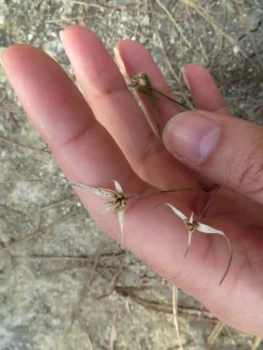
Florida Whitetop: A Rare Native Sedge Worth Protecting in Your Garden
Meet Florida whitetop (Rhynchospora floridensis), a charming little sedge that’s as exclusive as it sounds – this delicate native plant calls only the Sunshine State home. If you’re passionate about growing truly local flora and supporting conservation efforts, this unassuming grass-like perennial might just steal your heart.
What Makes Florida Whitetop Special?
Florida whitetop belongs to the sedge family (Cyperaceae), making it a grass-like plant that brings a soft, naturalistic texture to any planting. Also known by its former scientific name Dichromena floridensis, this perennial creates subtle beauty with its distinctive white-topped flower clusters that give the plant its common name.
As a Florida endemic, this species represents the unique botanical heritage of the region. However, there’s an important conservation story here – Florida whitetop carries a Global Conservation Status of S3, meaning it’s considered vulnerable. With typically only 21 to 100 occurrences and between 3,000 to 10,000 individuals remaining, this plant is rare and deserves our protection.
Where Does Florida Whitetop Grow?
This special sedge is found exclusively in Florida, where it thrives in the state’s unique wetland ecosystems. Its limited geographic distribution makes it a true Florida treasure.
- Species observed
- No observations
Growing Conditions and Garden Role
Florida whitetop is classified as a facultative wetland plant in the Atlantic and Gulf Coastal Plain region, meaning it usually occurs in wetlands but can tolerate some non-wetland conditions. This adaptability makes it suitable for:
- Wetland restoration projects
- Rain gardens and bioswales
- Native plant gardens
- Naturalistic landscaping
- Conservation plantings
The plant thrives in USDA hardiness zones 8-11, perfectly matching Florida’s climate. It prefers moist to wet soils and can handle full sun to partial shade conditions, making it quite versatile for different garden situations.
Why Plant Florida Whitetop?
Beyond its conservation value, Florida whitetop offers several benefits to gardeners:
- True native authenticity: Support local ecosystems with a plant that evolved specifically in Florida
- Low maintenance: Once established, this perennial requires minimal care
- Wetland function: Excellent for managing water in landscapes while providing natural beauty
- Conservation impact: Help protect a vulnerable species by providing additional habitat
Important Considerations for Responsible Gardening
Source Responsibly: Given Florida whitetop’s vulnerable conservation status, it’s crucial to obtain plants or seeds only from reputable native plant nurseries or conservation organizations. Never collect from wild populations – this could harm already limited natural stands.
Contact local native plant societies, botanical gardens, or state conservation programs to find responsibly sourced material. Some specialized native plant nurseries may propagate this species specifically for restoration and conservation purposes.
Planting and Care Tips
Growing Florida whitetop successfully requires attention to its moisture needs:
- Soil: Plant in consistently moist to wet soils that don’t dry out completely
- Location: Choose areas that receive full sun to partial shade
- Watering: Maintain consistent moisture, especially during establishment
- Maintenance: Very low maintenance once established in appropriate conditions
- Companions: Pair with other Florida native wetland plants for authentic ecosystem plantings
The Bigger Picture
By choosing to grow Florida whitetop, you’re not just adding a unique native plant to your garden – you’re participating in conservation. Every garden that includes this vulnerable species provides additional habitat and helps ensure its survival for future generations.
This modest sedge may not be the showiest plant in your garden, but it represents something profound: the irreplaceable value of local biodiversity and our role as gardeners in protecting it. In a world where plant habitats face increasing pressure, your garden becomes a sanctuary for Florida’s botanical heritage.
Consider Florida whitetop for your next native plant project, but remember – source it responsibly and grow it with the respect this rare beauty deserves.