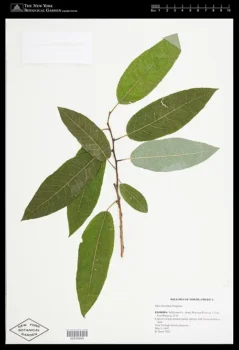
Florida Willow: A Rare Native Treasure for Wetland Gardens
Meet the Florida willow (Salix floridana), a charming native shrub that’s as unique as it is uncommon. This little-known member of the willow family deserves a spotlight in native plant circles, though finding one might require some detective work. If you’re passionate about supporting rare native species and have the right growing conditions, this could be your next gardening adventure.
What Makes Florida Willow Special?
The Florida willow is a perennial shrub that typically grows as a multi-stemmed woody plant, usually staying under 13-16 feet tall. Like its willow cousins, it sports the characteristic narrow, elongated leaves that flutter gracefully in the breeze. Come spring, you’ll be treated to small catkins that add subtle beauty while providing crucial early-season resources for pollinators.
You might also see this plant listed under its botanical synonyms Salix astatulana or Salix chapmanii in older references, but Salix floridana is the accepted name today.
Where Florida Willow Calls Home
This southeastern native has a pretty exclusive address list, naturally occurring only in Alabama, Florida, and Georgia. It’s perfectly adapted to the unique conditions of the Atlantic and Gulf Coastal Plain region, where it thrives in areas that experience seasonal flooding and consistently moist conditions.
- Species observed
- No observations
The Rarity Reality Check
Here’s the important part: Florida willow is considered imperiled, with a Global Conservation Status of S2. In Alabama and Florida, it’s even rarer, holding an S1 status. This means there are typically only 6-20 known occurrences of this species, making it especially vulnerable to disappearing forever.
What does this mean for gardeners? If you choose to grow Florida willow, please ensure you’re using responsibly sourced material. Never collect from wild populations, and work only with reputable native plant nurseries that propagate their stock rather than wild-harvesting.
Perfect Growing Conditions
Florida willow is what botanists call facultative wetland, meaning it usually grows in wetlands but can tolerate some drier conditions. Here’s what it loves:
- Consistently moist to wet soils
- Full sun to partial shade
- Areas that experience seasonal flooding
- USDA Hardiness Zones 8-10
- Rich, organic soils typical of wetland areas
Garden Design Ideas
Florida willow isn’t your typical backyard shrub—it’s a specialist that shines in specific situations:
- Rain gardens: Perfect for managing stormwater runoff
- Wetland restoration projects: Helps restore natural ecosystems
- Native plant gardens: Adds authenticity to southeastern native landscapes
- Pond or stream edges: Thrives in naturally wet areas
- Conservation gardens: Supports rare species preservation
Wildlife and Pollinator Benefits
Like other willows, Florida willow is an early-season pollinator magnet. Its spring catkins provide vital nectar and pollen when few other plants are blooming, supporting bees, butterflies, and other beneficial insects. The shrub also likely provides habitat and food sources for various wildlife species, though specific studies on this rare plant are limited.
Planting and Care Tips
If you’re lucky enough to source some Florida willow plants, here’s how to give them the best start:
- Location: Choose the wettest spot in your garden or create a rain garden
- Soil preparation: Amend with organic matter if needed, but avoid drainage improvements
- Planting: Plant in early spring or fall when temperatures are moderate
- Watering: Keep soil consistently moist—this plant doesn’t tolerate drought
- Mulching: Apply organic mulch to retain moisture and suppress weeds
- Pruning: Minimal pruning needed; remove dead or damaged wood as necessary
Should You Grow Florida Willow?
Florida willow is definitely not for every garden or every gardener. Consider it if you:
- Have naturally wet areas or want to create a rain garden
- Are passionate about native plant conservation
- Live within its natural range (Alabama, Florida, or Georgia)
- Can source plants responsibly from reputable propagators
- Want to support rare pollinators and wildlife
Skip it if you have dry conditions, want a low-maintenance landscape plant, or can’t find responsibly sourced material.
Growing Florida willow is more than just adding another plant to your garden—it’s participating in conservation. By providing a home for this rare native in your landscape, you’re helping ensure that future generations might still have the chance to discover this special southeastern treasure.