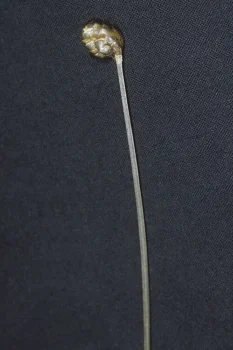
Florida Yellow-Eyed-Grass: A Charming Native for Wet Gardens
If you’ve been searching for a native plant that brings cheerful yellow blooms to your wetland garden or rain garden, meet Florida Yellow-Eyed-Grass (Xyris floridana). This delightful southeastern native might just be the perfect addition to your moisture-loving plant collection!
What Makes Florida Yellow-Eyed-Grass Special?
Don’t let the name fool you – while Florida Yellow-Eyed-Grass looks grass-like with its slender, upright foliage, it’s actually a perennial forb that produces the most charming little yellow flowers. These bright blooms appear on thin stems that dance above the grass-like leaves, creating a whimsical effect that’s sure to catch the eye of anyone strolling through your garden.
You might also see this plant referred to as Florida yelloweyed grass, and botanically speaking, it was once classified under the synonym Xyris difformis var. floridana. But regardless of what you call it, this native beauty has been quietly brightening wetland areas across the Southeast for generations.
Where Florida Yellow-Eyed-Grass Calls Home
This lovely native is naturally found throughout the southeastern United States, thriving in Alabama, Florida, Georgia, Louisiana, Mississippi, North Carolina, and South Carolina. As a true southeastern native, it’s perfectly adapted to the climate and growing conditions of the Atlantic and Gulf Coastal Plain region.
- Species observed
- No observations
Why Your Garden (and Local Wildlife) Will Love It
Florida Yellow-Eyed-Grass isn’t just a pretty face – it’s an ecological powerhouse! As an obligate wetland plant, it almost always occurs in wetlands in nature, making it an authentic choice for anyone looking to create or restore natural wetland habitats in their landscape.
The bright yellow summer flowers are particularly attractive to small native bees and other pollinators, providing an important nectar source during the growing season. By planting this native species, you’re supporting local pollinator populations while adding genuine regional character to your garden.
Perfect Garden Situations
Florida Yellow-Eyed-Grass is ideally suited for:
- Rain gardens and bioswales
- Bog gardens and wetland restorations
- Native plant gardens with moist conditions
- Naturalized areas near ponds or water features
- Low-lying areas that stay consistently moist
In these settings, it serves as an excellent accent plant, adding vertical interest with its flower stems while providing a naturalistic, grass-like texture to the overall design.
Growing Florida Yellow-Eyed-Grass Successfully
The key to success with Florida Yellow-Eyed-Grass is understanding its love for consistently moist conditions. This plant thrives in USDA hardiness zones 8-10, making it perfect for gardeners in the warmer regions of the Southeast.
Ideal Growing Conditions:
- Full sun to partial shade (though it performs best with plenty of sunlight)
- Consistently moist to wet, acidic soils
- Good drainage despite moisture requirements – it doesn’t like standing water
- Minimal fertilization needed (like most natives, it’s adapted to lean soils)
Planting and Care Tips
Spring is the ideal time to plant Florida Yellow-Eyed-Grass. Once established, this low-maintenance native requires minimal care – just ensure it never dries out completely. The most important thing to remember is maintaining consistent soil moisture, especially during the establishment period.
Since this is an obligate wetland species, don’t try to grow it in typical garden beds with average moisture. It truly needs those consistently moist conditions to thrive and show off its charming yellow blooms.
Is Florida Yellow-Eyed-Grass Right for Your Garden?
If you have a wet area in your landscape that you’ve been struggling to plant, or if you’re creating a rain garden or native wetland habitat, Florida Yellow-Eyed-Grass could be an excellent choice. Its native status means it’s perfectly adapted to southeastern growing conditions, and its pollinator benefits make it an ecologically valuable addition to any native plant collection.
However, if you don’t have consistently moist conditions, this might not be the right plant for you – it’s quite specific about its water needs. But for gardeners with the right conditions, Florida Yellow-Eyed-Grass offers a unique combination of ecological authenticity, pollinator benefits, and cheerful summer color that’s hard to beat!