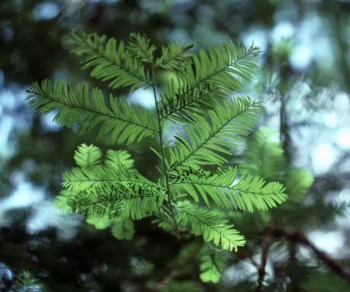
Florida Yew: A Rare Gem Worth Protecting in Your Garden
Meet the Florida yew (Taxus floridana), one of the most endangered trees in North America and quite possibly the rarest native plant you’ve never heard of. This remarkable evergreen is like the unicorn of the plant world – absolutely stunning when you find it, but spotting one in the wild is about as likely as finding a parking spot at the mall during the holidays.
What Makes Florida Yew So Special?
The Florida yew is a perennial, woody plant that typically grows as a small tree, reaching heights of 13 to 16 feet under ideal conditions, though it can sometimes develop a multi-stemmed, shrub-like form. Don’t let its modest size fool you – this little tree packs a big conservation punch.
What sets this plant apart from its more common yew relatives? For starters, it’s endemic to Florida, meaning it exists nowhere else on Earth naturally. With dark green, needle-like leaves arranged in an elegant spiral pattern and attractive, peeling bark, it’s a true beauty. Female plants produce small, red berry-like structures called arils that add a pop of color to the landscape.
A Plant on the Edge
Important Conservation Alert: Before we dive into growing tips, you need to know that Taxus floridana has a Global Conservation Status of S2, meaning it’s imperiled due to extreme rarity. With typically only 6 to 20 occurrences remaining and fewer than 1,000 to 3,000 individuals left in the wild, this species is teetering on the edge of extinction.
Where Does Florida Yew Call Home?
This rare treasure is native exclusively to Florida, specifically found in the Apalachicola River region of the Florida Panhandle. Its entire world range is incredibly limited, making every single plant precious.
- Species observed
- No observations
Should You Grow Florida Yew?
Here’s where things get complicated. While we absolutely want to encourage conservation of this incredible species, Florida yew is not your average garden center pickup. This plant requires very specific conditions and expertise to grow successfully.
If you’re considering adding Florida yew to your landscape, please only use responsibly sourced material from reputable native plant nurseries or conservation programs. Never collect from wild populations – every wild plant is crucial for the species’ survival.
Growing Conditions and Care
Florida yew is notoriously finicky, which partly explains its rarity. Here’s what this diva demands:
- Light: Partial to full shade – think dappled sunlight under a forest canopy
- Soil: Moist, well-draining soil with high organic content
- Humidity: High humidity levels (it loves that Florida swamp life)
- USDA Zones: 8b-9a (basically, you need to live in north Florida)
- Protection: Shelter from strong winds and extreme weather
Garden Design and Landscape Role
If you’re lucky enough to successfully grow a Florida yew, it makes an exceptional specimen plant for:
- Woodland gardens
- Shade gardens
- Conservation-focused landscapes
- Native plant collections
- Small spaces where you want a unique focal point
Its compact size makes it perfect for smaller gardens where you want the wow factor of an extremely rare native without overwhelming the space.
Wildlife and Pollinator Benefits
As a gymnosperm (cone-bearing plant), Florida yew is wind-pollinated and doesn’t provide the same nectar resources as flowering plants. However, it does offer shelter and nesting sites for small birds and the red arils provide food for wildlife.
The Bottom Line
Florida yew is absolutely worth protecting and growing – if you have the right conditions, expertise, and access to responsibly sourced plants. This isn’t a beginner’s plant, but for experienced native gardeners in the right climate zone, growing Florida yew is like participating in a real-life conservation success story.
Think of yourself as a plant guardian rather than just a gardener. Every Florida yew grown from ethical sources helps ensure this remarkable species doesn’t disappear forever. Just remember: with great rarity comes great responsibility!