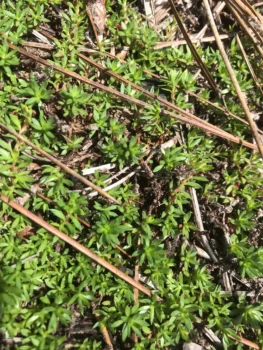
Flowering Pixiemoss: A Charming Native Groundcover for Acid-Loving Gardens
If you’re looking for an unusual native groundcover that’s as enchanting as its name suggests, flowering pixiemoss might just be the perfect addition to your garden. This delightful little perennial, scientifically known as Pyxidanthera barbulata, brings a touch of whimsy to specialized garden spaces with its moss-like appearance and delicate spring blooms.
What Makes Flowering Pixiemoss Special?
Don’t let the name fool you – flowering pixiemoss isn’t actually a moss at all! It’s a true flowering plant that belongs to the diapensia family. This native perennial forms dense, carpet-like mats that closely resemble moss, hence the clever common name. In spring, the carpet becomes dotted with tiny white or pale pink flowers that seem almost magical sprouting from the moss-like foliage.
As a forb herb, flowering pixiemoss lacks the woody tissue of shrubs and trees, instead producing soft, evergreen foliage that stays attractive year-round. The plant typically grows only 2-4 inches tall but can spread to form colonies several feet wide, making it an excellent groundcover for the right conditions.
Where Does Flowering Pixiemoss Come From?
This charming native is naturally found along the Eastern United States, particularly in the Atlantic Coastal Plain region. You can find wild populations growing in New Jersey, New York, North Carolina, South Carolina, and Virginia. It’s perfectly adapted to the acidic, sandy soils of pine barrens and coastal plain habitats.
- Species observed
- No observations
Is Flowering Pixiemoss Right for Your Garden?
Here’s where things get interesting – flowering pixiemoss is definitely not your average groundcover! This plant has very specific needs that make it perfect for some gardens and completely unsuitable for others.
You’ll love flowering pixiemoss if you have:
- Acidic soil (pH 4.5-6.0)
- Sandy, well-draining soil
- Areas that mimic natural pine barrens conditions
- A rock garden or specialized native plant collection
- USDA hardiness zones 6-8
You might want to choose something else if:
- Your soil is alkaline or neutral
- You have heavy clay or constantly moist soil
- You’re looking for a fast-growing, easy-care groundcover
- You live outside zones 6-8
Growing Conditions and Care
Think of flowering pixiemoss as the specialty plant of the groundcover world. It thrives in conditions that would stress many other plants, but it absolutely requires these specific conditions to succeed.
Soil Requirements: The most crucial factor is acidic, sandy, well-draining soil. This plant evolved in nutrient-poor conditions and actually prefers lean soil over rich, fertile ground. Heavy clay or alkaline soils are deal-breakers.
Light Conditions: Flowering pixiemoss adapts to both partial shade and full sun, making it versatile for different garden locations within its preferred soil conditions.
Water Needs: The wetland status varies by region – it’s quite adaptable to both slightly moist and drier conditions, but consistent drainage is essential. It won’t tolerate standing water or constantly soggy conditions.
Planting and Care Tips
Successfully growing flowering pixiemoss is all about creating the right environment from the start:
- Soil preparation: Test your soil pH first – if it’s above 6.0, you’ll need to amend with sulfur or peat moss to lower it
- Planting: Plant in spring or early fall, spacing plants 6-12 inches apart
- Watering: Water gently during establishment, then reduce to occasional deep watering during dry spells
- Fertilizing: Skip the fertilizer! This plant prefers nutrient-poor conditions
- Maintenance: Very low maintenance once established – just remove any weeds that might compete
Wildlife and Pollinator Benefits
While flowering pixiemoss may be small, it punches above its weight when it comes to supporting native wildlife. The tiny spring flowers provide nectar for small native bees, flies, and other diminutive pollinators that often get overlooked in garden planning. These small pollinators are crucial for the ecosystem and appreciate having appropriately-sized flowers to visit.
The dense mat-forming growth habit also provides shelter for small ground-dwelling creatures and beneficial insects.
Perfect Garden Companions
Flowering pixiemoss shines when planted alongside other acid-loving natives that share similar growing conditions. Consider pairing it with native azaleas, blueberries, wintergreen, or native ferns that appreciate acidic soil. In rock gardens, it looks stunning cascading over stones alongside small native sedges or wildflowers.
The Bottom Line
Flowering pixiemoss isn’t the right choice for every garden, but for gardeners with acidic, sandy conditions who want to create authentic native plant communities, it’s absolutely magical. This little groundcover brings unique texture, year-round interest, and important pollinator support to specialized garden spaces. Just remember – success with this plant is all about matching its very specific soil and drainage needs. Get those conditions right, and you’ll be rewarded with a truly distinctive native groundcover that’s sure to spark conversations!