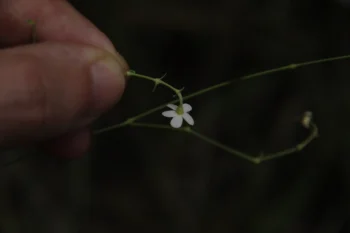
Flowering Spurge: A Delicate Native Wildflower Worth Growing
If you’re looking for a graceful native wildflower that adds subtle charm to your garden without demanding much attention, flowering spurge (Euphorbia corollata) might just be your new favorite plant. This unassuming perennial has been quietly beautifying North American landscapes for centuries, and it’s ready to do the same for your garden.
What Is Flowering Spurge?
Flowering spurge is a native North American perennial that belongs to the spurge family. Don’t let the somewhat clinical botanical name fool you – this plant is anything but boring. As a forb (basically a non-woody flowering plant), it brings a delicate, almost ethereal quality to garden spaces with its small white flowers arranged in flat-topped clusters.
You might also encounter this plant under its various synonyms in older gardening references, including Euphorbia marilandica or Tithymalopsis corollata, but flowering spurge remains the most widely recognized common name.
Where Does Flowering Spurge Come From?
This charming native has quite an impressive range across North America. You’ll find flowering spurge naturally occurring from southern Canada down through most of the eastern and central United States, including Alabama, Arkansas, Connecticut, Delaware, Florida, Georgia, Illinois, Indiana, Iowa, Kansas, Kentucky, Louisiana, Maine, Maryland, Massachusetts, Michigan, Minnesota, Mississippi, Missouri, Nebraska, New Hampshire, New Jersey, New York, North Carolina, Ohio, Oklahoma, Pennsylvania, Rhode Island, South Carolina, South Dakota, Tennessee, Texas, Vermont, Virginia, West Virginia, and Wisconsin.
- Species observed
- No observations
Important Note: In New Jersey, flowering spurge has a rarity status of Highlands Listed, S1, meaning it’s quite rare in that region. If you’re gardening in New Jersey or other areas where this plant might be uncommon, make sure to source your plants or seeds from reputable native plant nurseries rather than collecting from wild populations.
Why You’ll Love Flowering Spurge
There are plenty of reasons to fall for this understated beauty:
- Pollinator magnet: Those small white flowers are like tiny landing pads for bees, flies, and butterflies, providing valuable nectar throughout the blooming season
- Low maintenance: Once established, flowering spurge is remarkably self-sufficient
- Drought tolerant: Perfect for gardeners in areas with water restrictions or those who prefer water-wise gardening
- Long blooming period: Enjoy flowers from mid to late summer when many other plants are starting to fade
- Adaptable: Thrives in USDA hardiness zones 3-9, making it suitable for a wide range of climates
Perfect Garden Companions
Flowering spurge shines in wildflower gardens, prairie restorations, and naturalized landscapes. Its delicate, airy appearance makes it an excellent filler plant that provides textural contrast without overwhelming showier neighbors. Consider it for:
- Prairie-style gardens
- Wildflower meadows
- Cottage garden borders
- Naturalized areas
- Pollinator gardens
Growing Flowering Spurge Successfully
The beauty of flowering spurge lies in its simplicity. This plant practically grows itself once you understand its basic needs:
Light Requirements: Full sun is best, though it can tolerate some light shade.
Soil Preferences: Well-drained soil is key. Flowering spurge adapts to various soil types, from sandy to clay, but it won’t tolerate soggy conditions.
Watering: Once established, this drought-tolerant native rarely needs supplemental watering except during extreme dry spells.
Spacing: Give plants room to spread, as flowering spurge can expand via underground stems and self-seeding.
A Gentle Warning About Enthusiasm
While flowering spurge is generally well-behaved, it can be quite enthusiastic about spreading in ideal conditions. It readily self-seeds and may also spread through underground stems. This isn’t necessarily a bad thing – after all, more free plants! – but it’s something to keep in mind when planning your garden layout.
If you prefer more control, simply deadhead spent flowers before they set seed, or thin out excess plants as needed.
The Bottom Line
Flowering spurge offers everything you could want in a native wildflower: easy care, pollinator appeal, drought tolerance, and subtle beauty that enhances rather than dominates your garden. Just remember to source responsibly, especially if you’re in areas where this plant is less common.
Whether you’re creating a prairie garden, adding texture to a cottage garden border, or simply want to support native pollinators, flowering spurge deserves a spot in your landscape. Sometimes the most rewarding plants are the ones that ask for very little while giving back so much.