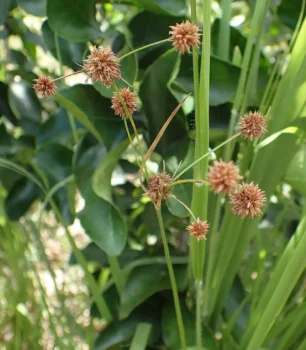
Fly Beaksedge: A Caribbean Native Perfect for Wetland Gardens
If you’re looking to create an authentic wetland garden or restore natural wet areas in Puerto Rico or similar tropical climates, fly beaksedge (Rhynchospora holoschoenoides) might be exactly what you need. This unassuming little sedge plays a big role in Caribbean wetland ecosystems and can bring that same ecological value to your landscape.
What is Fly Beaksedge?
Fly beaksedge is a perennial sedge that’s often mistaken for grass due to its narrow, blade-like leaves and overall appearance. Like other members of the sedge family, it’s actually quite different from true grasses – think of it as grass’s water-loving cousin. The plant gets its common name from its small, beak-like seed structures that give it a distinctive appearance up close.
This species was formerly known by the synonym Rhynchospora cyperoides, so you might see it listed under that name in older plant references.
Where Does It Naturally Grow?
Fly beaksedge is native to Puerto Rico, where it thrives in the island’s wetland areas. Its natural distribution is limited to this Caribbean region, making it a true regional specialty plant.
- Species observed
- No observations
Why Consider Growing Fly Beaksedge?
While fly beaksedge won’t win any beauty contests with showy flowers, it offers several compelling reasons to include it in your landscape:
- Authentic wetland restoration: As an obligate wetland plant, it’s perfect for creating or restoring natural wet areas
- Low maintenance: Once established in suitable conditions, it requires minimal care
- Erosion control: Its root system helps stabilize wet soils
- Habitat value: Provides cover and nesting material for wetland wildlife
- Regional authenticity: Perfect for Puerto Rican native plant gardens
Growing Conditions and Care
The key to success with fly beaksedge is understanding its love for water. This plant is classified as an obligate wetland species, meaning it almost always occurs in wetland conditions in nature.
Light requirements: Full sun to partial shade – it’s quite adaptable to different light levels
Soil needs: Consistently moist to wet soils. It won’t tolerate drought conditions
Water requirements: Constant moisture is essential. Perfect for bog gardens, rain gardens, or areas with poor drainage
Climate: Suitable for USDA hardiness zones 10-11, thriving in tropical and subtropical climates
Best Garden Applications
Fly beaksedge shines in specific garden situations:
- Wetland gardens: Essential for authentic Caribbean wetland recreations
- Rain gardens: Excellent choice for managing stormwater runoff
- Bog gardens: Provides structure and authenticity to constructed wetlands
- Native plant gardens: Adds regional character to Puerto Rican native landscapes
- Restoration projects: Ideal for restoring degraded wetland areas
Planting and Maintenance Tips
Getting fly beaksedge established is straightforward if you provide the right conditions:
- Plant in spring when temperatures are consistently warm
- Ensure the planting area stays constantly moist – never let it dry out
- Space plants according to your coverage goals; they’ll gradually spread
- Minimal fertilization needed – wetland soils typically provide adequate nutrients
- Remove any invasive plants that might compete for space
- Be patient – like many native plants, it may take time to establish fully
Wildlife and Ecological Benefits
While fly beaksedge may seem modest, it plays an important role in wetland ecosystems. The plant provides habitat structure for small wetland creatures and helps maintain the complex ecological relationships that make healthy wetlands possible.
Is Fly Beaksedge Right for Your Garden?
Fly beaksedge is perfect for gardeners in Puerto Rico who want to create authentic wetland habitats or need plants for consistently wet areas. However, it’s not suitable for typical garden beds or areas that dry out seasonally.
If you’re outside its native range but want similar plants for wetland gardens, consider researching sedges native to your specific region. Every area has its own special wetland plants that evolved to thrive in local conditions.
For Puerto Rican gardeners interested in native plants and wetland restoration, fly beaksedge represents an opportunity to connect with the island’s natural heritage while creating valuable habitat for local wildlife. It may not be the showiest plant in your garden, but it’s definitely one of the most ecologically important.