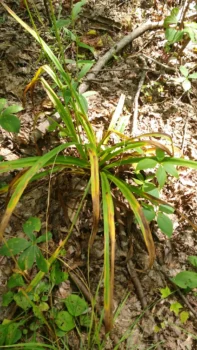
Flypoison: A Rare Native Gem for Your Woodland Garden
If you’re looking to add a touch of wild elegance to your garden while supporting native ecosystems, flypoison (Amianthium muscitoxicum) might just be the perfect choice. This lesser-known native perennial offers stunning white flower displays and plays an important ecological role, though its rarity means you’ll need to source it responsibly.
What Makes Flypoison Special?
Flypoison is a native herbaceous perennial that belongs to the lily family. Despite its somewhat ominous common name, this plant gets its moniker from its historical use rather than any danger to typical garden visitors. As a native species found across 19 states in the eastern United States, from Florida and Alabama north to New York and Pennsylvania, flypoison has been quietly supporting local ecosystems for centuries.
The plant forms attractive clumps of narrow, grass-like basal leaves that emerge in early spring. But the real show begins in late spring to early summer when tall flower spikes rise 2-4 feet above the foliage, topped with dense clusters of small, creamy-white flowers that create an almost bottle-brush appearance.
- Species observed
- No observations
A Word About Rarity
Before you rush out to find flypoison for your garden, there’s an important consideration: this species is becoming increasingly rare in parts of its range. In New Jersey, it holds an S2 status, meaning it’s imperiled in the state. If you’re interested in growing flypoison, please ensure you source plants or seeds from reputable native plant nurseries that propagate their stock responsibly rather than wild-collecting.
Garden Appeal and Design Role
Flypoison shines in naturalized woodland settings and native plant gardens. Its upright flower spikes add vertical interest and create beautiful contrasts when planted among ferns, wild gingers, and other woodland natives. The plant works wonderfully in:
- Woodland gardens and forest edges
- Native plant collections
- Naturalized meadow margins
- Rain gardens and bioswales
The flowers attract various pollinators, including flies, beetles, and some native bees, making it a valuable addition to pollinator-friendly landscapes.
Growing Conditions and Care
One of flypoison’s best qualities is its adaptability. The plant has facultative wetland status across its range, meaning it’s equally happy in moist or moderately dry conditions. Here’s what this accommodating native prefers:
- Sunlight: Partial shade to full sun
- Soil: Moist, well-draining soil with acidic to neutral pH
- Hardiness: USDA zones 5-9
- Water: Consistent moisture preferred but tolerates some drought
Plant flypoison bulbs in fall, about 2-3 inches deep and 6 inches apart. The plant may go dormant during hot summer months, which is completely normal – don’t panic if the foliage dies back!
Maintenance and Long-term Care
Once established, flypoison is refreshingly low-maintenance. Water during dry spells in spring and early summer, but avoid overwatering. The plant benefits from a light application of compost in early spring, but heavy fertilization isn’t necessary and may actually reduce flowering.
Allow the foliage to die back naturally after blooming to help the bulb store energy for next year’s display. You can divide clumps every few years in fall if they become overcrowded, though this is rarely necessary.
The Bottom Line
Flypoison offers gardeners a chance to grow something truly special – a beautiful native plant that supports local wildlife while adding unique character to woodland and naturalized gardens. While its rarity means you’ll need to be thoughtful about sourcing, the reward is a resilient, attractive perennial that connects your garden to the broader ecosystem. Just remember: always buy from reputable nurseries that propagate rather than wild-collect, and you’ll be doing your part to help this remarkable native thrive for future generations.