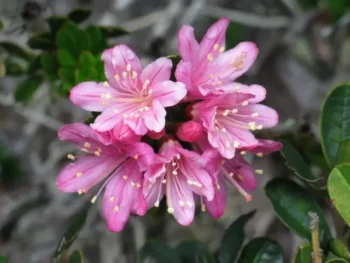
Flyweed (Bejaria): A Hidden Gem for Southeastern Native Gardens
If you’re looking to add a touch of wild beauty to your garden while supporting local wildlife, let me introduce you to flyweed—a charming native shrub that’s been quietly thriving in the southeastern United States long before any of us started thinking about landscaping. Also known as tarflower, this delightful plant (scientifically called Bejaria) brings both beauty and ecological benefits to the right garden setting.
What Makes Flyweed Special?
Flyweed is a native perennial shrub that typically grows as a multi-stemmed woody plant, usually staying under 13-16 feet tall. What really sets this plant apart are its gorgeous clusters of white to pink, bell-shaped flowers that bloom in spring and early summer, creating a stunning display against its glossy evergreen foliage. It’s like having a wild garden party that pollinators absolutely love to attend!
Where Does Flyweed Call Home?
This southeastern native makes its home in Alabama, Florida, Georgia, and South Carolina, where it naturally grows in pine flatwoods and scrublands. If you live in one of these states, you’re in luck—you can grow a plant that truly belongs in your local ecosystem.
- Species observed
- No observations
Why Your Garden (and Local Wildlife) Will Thank You
Here’s where flyweed really shines: it’s a pollinator magnet. Bees, butterflies, and other native pollinators flock to its nectar-rich flowers, making it an excellent choice for wildlife gardens. Plus, as a native plant, it supports the entire local food web in ways that non-native plants simply can’t match.
From a design perspective, flyweed works beautifully in:
- Native plant gardens
- Naturalized landscapes
- Woodland edges
- Wildlife-friendly garden spaces
Growing Conditions: What Flyweed Loves
The good news is that flyweed isn’t particularly fussy once you understand its preferences. This shrub thrives in USDA hardiness zones 8-10, making it perfect for most southeastern gardens.
Here’s what makes flyweed happy:
- Soil: Well-draining, acidic, sandy soils (think of its natural pine flatwood habitat)
- Light: Partial shade to full sun
- Water: Drought tolerant once established, but appreciates regular water during establishment
Planting and Care Tips
One of flyweed’s best qualities is that it’s relatively low-maintenance once established. Here are some tips for success:
- Soil prep: If your soil isn’t naturally acidic and sandy, consider amending it or choosing a spot where water drains well
- Planting: Spring or fall are the best times to plant
- Watering: Water regularly during the first year, then step back and let nature take over
- Pruning: Light pruning after flowering can help maintain shape, but it’s not necessary
- Fertilizing: Generally not needed—native plants prefer their soil on the lean side
Is Flyweed Right for Your Garden?
Flyweed is an excellent choice if you’re located in its native range and want to create a more naturalized, wildlife-friendly landscape. It’s particularly perfect for gardeners who appreciate subtle beauty over flashy displays and want plants that support local ecosystems.
However, if you’re looking for a highly manicured, formal garden plant or live outside the southeastern United States, flyweed might not be your best bet. It’s definitely more wild beauty than suburban perfect.
The bottom line? If you live in Alabama, Florida, Georgia, or South Carolina and want to create habitat for local wildlife while adding unique beauty to your landscape, flyweed deserves a spot on your plant wish list. It’s one of those wonderful natives that gives back far more than it asks for—and in today’s world, we could all use more plants like that!