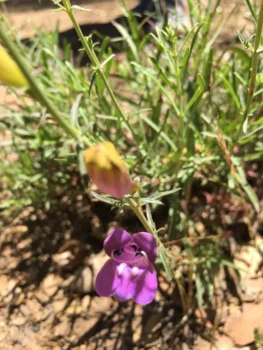
Foothill Beardtongue: A Native California Perennial Worth Knowing
If you’re looking to add authentic California native flair to your garden, foothill beardtongue (Penstemon heterophyllus australis) might just be the perennial you’ve been searching for. This lesser-known native offers the charm of the beloved penstemon family while staying true to your local ecosystem.
Meet the Foothill Beardtongue
Foothill beardtongue is a perennial forb herb, meaning it’s a non-woody plant that comes back year after year. Unlike shrubs or trees, this plant lacks significant woody tissue and keeps its growing points at or near ground level—a smart survival strategy for California’s varied climate conditions.
You might also see this plant listed under its synonym Penstemon heterophyllus Lindl. var. australis Munz & I.M. Johnst., but don’t let the long scientific names intimidate you. At its heart, this is simply a reliable native perennial that belongs in California gardens.
Where Does It Call Home?
This California native has made the Golden State its exclusive home within the lower 48 states. As a true local, it’s perfectly adapted to California’s unique growing conditions and seasonal patterns.
- Species observed
- No observations
Why Choose Foothill Beardtongue?
Here are several compelling reasons to consider this native for your landscape:
- True California native: Support your local ecosystem by choosing plants that naturally belong
- Perennial reliability: Once established, it returns year after year
- Low-maintenance appeal: Native plants typically require less water and care once settled
- Authentic landscape character: Creates gardens that reflect California’s natural beauty
Garden Design Possibilities
While specific design information for this subspecies is limited, foothill beardtongue can likely serve multiple roles in your California native garden. Consider it for:
- Native plant gardens and natural landscapes
- Water-wise landscaping projects
- Areas where you want authentic California character
- Mixed perennial plantings with other natives
Growing Your Foothill Beardtongue
As with many California natives, foothill beardtongue likely prefers conditions similar to its natural habitat. While specific growing requirements for this subspecies aren’t well-documented, following general California native gardening principles should serve you well:
- Location: Choose a spot that mimics natural California foothill conditions
- Soil: Well-draining soil is typically essential for penstemons
- Water: Once established, most California natives prefer minimal summer water
- Maintenance: Native plants generally thrive with minimal intervention
A Note on Information
Foothill beardtongue represents one of those wonderful native plants that deserves more attention from both gardeners and researchers. While detailed growing information specific to this subspecies is limited, its status as a California native makes it a valuable addition to appropriate landscapes.
If you’re considering foothill beardtongue for your garden, connecting with local native plant societies, botanical gardens, or extension services can provide region-specific growing advice and help you source this authentic California native.
The Bottom Line
Foothill beardtongue offers California gardeners a chance to grow something truly local—a perennial that’s been calling the Golden State home long before any of us arrived. While it might not be the showiest plant in the nursery, it brings authenticity and ecological value that’s hard to beat.
For gardeners committed to native landscaping and supporting California’s natural heritage, foothill beardtongue represents the kind of lesser-known gem that makes native gardening such a rewarding adventure.