Foothill Deathcamas: A Beautiful but Deadly Native You Should Never Plant
When it comes to native plants, we usually sing their praises and encourage gardeners to embrace them. But today, we’re talking about one native species that breaks all the rules: foothill deathcamas (Zigadenus paniculatus). While this perennial herb is indeed native to the western United States, it’s one plant you definitely don’t want in your garden – and we’ll explain exactly why.
What is Foothill Deathcamas?
Foothill deathcamas is a perennial forb – essentially a non-woody flowering plant – that belongs to a group of plants that have earned their ominous common name for good reason. You might also see it listed under its scientific synonyms Helonias paniculatus or Toxicoscordion paniculatum in older references, but the name deathcamas should be your first red flag.
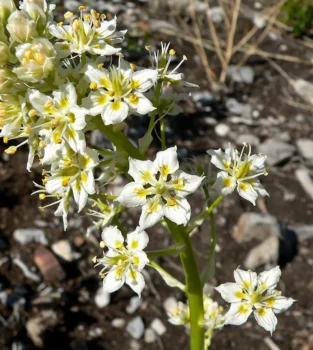
This native plant grows as a single crown with an erect growth form, reaching about 1.6 feet tall when mature. It features grass-like green foliage and produces small, inconspicuous green flowers during mid-spring. The overall appearance is quite modest – nothing that would typically catch a gardener’s eye.
Where Does It Naturally Grow?
Foothill deathcamas is native to eleven western states: Arizona, California, Colorado, Idaho, Montana, Nevada, New Mexico, Oregon, Utah, Washington, and Wyoming. It thrives in foothill and montane regions, typically in areas that receive 8-16 inches of precipitation annually.
- Species observed
- No observations
Why You Should Never Plant Foothill Deathcamas
Here’s where we need to be crystal clear: foothill deathcamas has a severe toxicity rating. This isn’t a plant that’s mildly irritating or causes a small rash – it’s genuinely dangerous to humans, pets, and livestock. The entire plant contains toxic alkaloids that can cause serious poisoning or even death if consumed.
Even experienced gardeners who are comfortable working with mildly toxic plants should steer clear of this one. The risk simply isn’t worth it, especially when there are so many other beautiful native alternatives to choose from.
Growing Conditions (For Educational Purposes Only)
While we strongly advise against planting foothill deathcamas, understanding its growing preferences can help you identify it in the wild and appreciate its ecological role:
- Soil: Adapts to coarse, medium, and fine-textured soils with pH between 6.0-8.5
- Water: Medium drought tolerance; prefers medium moisture use
- Sun: Full sun (shade intolerant)
- Temperature: Hardy to -33°F, needs at least 120 frost-free days
- USDA Zones: Approximately 4-9 based on its geographic distribution
Ecological Role and Wildlife Considerations
In its natural habitat, foothill deathcamas does play an ecological role, though the specific wildlife benefits aren’t well documented. The plant has high fire tolerance, which suggests it may help in post-fire recovery in its native ecosystems. However, its toxicity means that most wildlife species avoid it – which is probably a good survival strategy on their part!
Better Native Alternatives for Your Garden
Instead of risking the dangers of foothill deathcamas, consider these safer native alternatives that thrive in similar conditions across the western United States:
- Wild bergamot – Beautiful purple flowers that attract pollinators
- Blue grama grass – Attractive native grass with interesting seed heads
- Blanket flower – Cheerful daisy-like blooms in red and yellow
- Purple prairie clover – Distinctive cylindrical purple flower spikes
If You Encounter It in the Wild
If you’re hiking or exploring natural areas within the plant’s native range, you might encounter foothill deathcamas growing wild. The key identifying features include:
- Grass-like green foliage growing from a single crown
- Small, greenish flowers in clusters at the top of stems
- Erect growth form reaching about 1.6 feet tall
- Blooms in mid-spring
If you suspect you’ve found deathcamas, admire it from a distance and never handle it without gloves. Definitely keep children and pets away from any suspected plants.
The Bottom Line
While we’re huge advocates for native plants, foothill deathcamas is the exception that proves the rule that not all natives belong in home gardens. Its severe toxicity makes it unsuitable and dangerous for cultivation, despite its native status across much of the western United States.
Instead, channel your love for native plants into safer species that will provide beauty, support wildlife, and give you peace of mind. Your garden – and your family – will thank you for making the safer choice.