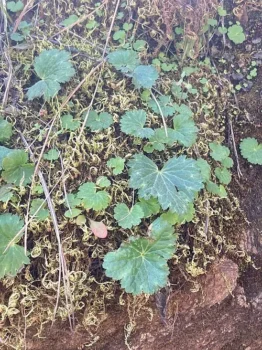
Foothill Jepsonia: A Hidden Gem for California Native Gardens
Meet the foothill jepsonia (Jepsonia heterandra), one of California’s lesser-known native treasures that deserves a spot in your native plant garden. This charming little perennial might not win any flashy flower contests, but it brings a quiet elegance and important ecological value to the right garden setting.
What is Foothill Jepsonia?
Foothill jepsonia is a small, herbaceous perennial that belongs to the forb family—essentially a non-woody plant that dies back to ground level each year before returning the following season. Think of it as nature’s version of a succulent, with fleshy, spoon-shaped leaves arranged in attractive basal rosettes.
This California native is endemic to the Golden State, growing naturally in the foothill regions of the Sierra Nevada and Coast Ranges. The plant produces delicate white to pale pink flowers on slender stalks that seem to dance above the foliage, creating a subtle but lovely display.
- Species observed
- No observations
Why Consider Foothill Jepsonia for Your Garden?
Important Conservation Note: Before we dive into growing tips, it’s crucial to know that foothill jepsonia has a Global Conservation Status of S3, meaning it’s considered vulnerable in the wild. If you choose to grow this plant, please source it only from reputable native plant nurseries that propagate their own stock rather than wild-collecting.
Here’s why this special plant might be perfect for your California native garden:
- True California native: Supporting local ecosystems and biodiversity
- Drought tolerance: Once established, it needs minimal summer water
- Pollinator friendly: Small flowers attract native bees and other tiny pollinators
- Low maintenance: Perfect for gardeners who appreciate understated beauty
- Unique texture: Adds interesting foliage contrast to native plant combinations
Where Does Foothill Jepsonia Fit in Your Landscape?
This isn’t a plant for every garden, but in the right spot, it’s absolutely perfect. Foothill jepsonia works beautifully in:
- Rock gardens and crevice plantings
- Native California plant collections
- Dry shade gardens under oaks
- Naturalistic landscapes mimicking foothill habitats
- Container gardens for specialty plant enthusiasts
Growing Conditions and Care
Success with foothill jepsonia comes down to mimicking its natural habitat. Here’s what this California native needs to thrive:
Climate: Hardy in USDA zones 8-10, perfect for most of California’s mediterranean climate
Light: Partial shade to dappled sunlight works best—think of the light filtering through oak trees in its native habitat
Soil: Excellent drainage is absolutely critical. Sandy or rocky soil with good organic content is ideal. Heavy clay will likely spell doom for this plant.
Water: Moderate water during the growing season, but reduce significantly in summer. Once established, it’s quite drought-tolerant and actually prefers dry summers.
Planting and Care Tips
- Plant in fall: This gives the plant time to establish before the dry season
- Improve drainage: Add pumice, coarse sand, or small gravel to heavy soils
- Mulch lightly: A thin layer of gravel mulch works better than organic mulch
- Water wisely: Deep, infrequent watering is better than frequent shallow watering
- Protect from extreme heat: Afternoon shade in hot interior regions is beneficial
- Be patient: Like many natives, it may take a season or two to fully establish
Wildlife and Pollinator Benefits
While foothill jepsonia’s flowers might seem tiny, they play an important role in supporting California’s native pollinator network. Small native bees, beneficial insects, and other tiny pollinators visit the delicate blooms. By growing this plant, you’re contributing to the conservation of both the plant species and the creatures that depend on it.
The Bottom Line
Foothill jepsonia isn’t for everyone—it requires specific growing conditions and won’t provide the bold visual impact of showier natives like ceanothus or poppies. But for gardeners who appreciate subtle beauty, want to support conservation efforts, and have the right growing conditions, this vulnerable California native offers something truly special.
Remember, with great native plants comes great responsibility. Only purchase foothill jepsonia from reputable sources that propagate their own plants, and consider yourself a steward of this beautiful but vulnerable species. Your garden could become a small sanctuary for one of California’s hidden botanical treasures.