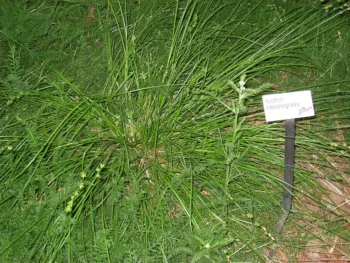
Foothill Needlegrass: A California Native That Brings Effortless Elegance to Your Garden
If you’re looking for a low-maintenance native grass that captures the essence of California’s golden hills, foothill needlegrass (Nassella lepida) might just be your perfect match. This perennial bunch grass has been quietly beautifying California’s landscapes for centuries, and it’s ready to do the same for your garden.
What Makes Foothill Needlegrass Special?
Foothill needlegrass is a true California native, found naturally throughout the state’s foothills and lower mountain areas. You might also see it listed under its former scientific names, Stipa lepida, but don’t let the name changes confuse you – it’s the same wonderful grass that’s been gracing California’s hillsides for generations.
This charming grass forms neat bunches that reach about 3 feet tall at maturity, creating a fine-textured backdrop that sways gracefully in the breeze. In early spring, it produces delicate yellow flowers that aren’t particularly showy but add subtle interest to the garden. The real beauty lies in its overall form and the way it catches light and movement.
- Species observed
- No observations
Why Choose Foothill Needlegrass for Your Garden?
There are plenty of reasons to fall in love with this native grass:
- Water-wise wonder: Once established, it thrives on minimal water – perfect for California’s dry summers
- Fast grower: It establishes quickly and reaches mature size relatively fast
- Fire-friendly: Has high fire tolerance, making it suitable for fire-prone areas
- Wildlife support: Provides nesting material and habitat for native bees and other beneficial insects
- Low maintenance: Requires minimal fertilizer and care once established
Perfect Garden Roles
Foothill needlegrass shines in several landscape situations:
- Mediterranean-style gardens where its drought tolerance is appreciated
- Naturalistic plantings that mimic California’s native landscapes
- Slope stabilization projects where its deep roots help prevent erosion
- Native plant gardens alongside other California natives
- As an accent grass in mixed borders
Growing Conditions That Make It Happy
Foothill needlegrass is surprisingly adaptable, but it does have some preferences:
- Soil: Adapts well to medium and fine-textured soils with good drainage
- Sun exposure: Needs full sun – it doesn’t tolerate shade
- Water: Low water needs once established (12-18 inches annual precipitation)
- pH: Tolerates a range from 5.8 to 7.2
- Climate: Best in USDA zones 8-10, needs at least 300 frost-free days
Planting and Care Tips
Getting foothill needlegrass established in your garden is straightforward:
Starting from seed: This grass is typically grown from seed, and you’ll get about 200,000 seeds per pound. Plant in early spring when the soil starts to warm up. The seeds have medium vigor, so be patient during establishment.
Location matters: Choose a spot with excellent drainage and full sun exposure. This grass won’t tolerate wet feet or shady conditions.
Watering: Water regularly during the first year to help establish deep roots, then reduce to minimal supplemental watering. Remember, this is a drought-tolerant native that actually prefers lean conditions.
Fertilizing: Keep it simple – this grass has low fertility requirements and too much fertilizer can actually weaken it.
Maintenance: Very little needed once established. You can cut it back in late winter if desired, but it’s not necessary.
A Few Things to Keep in Mind
While foothill needlegrass is generally easy-going, there are a couple of considerations:
- It doesn’t resprout after cutting, so if you do trim it, be gentle
- Seeds don’t persist long on the plant, so if you want to collect them, timing matters
- It spreads very slowly, so don’t expect it to fill in large areas quickly on its own
The Bottom Line
Foothill needlegrass offers the perfect combination of beauty, low maintenance, and ecological value for California gardens. It’s a grass that truly belongs in our landscapes, supporting local wildlife while requiring minimal resources from you. Whether you’re creating a water-wise garden, restoring a natural area, or simply want to add some native charm to your landscape, this graceful grass deserves a spot in your garden planning.
Just remember that commercial availability is limited to specialty native plant suppliers, so you might need to plan ahead or start from seed. But trust us – the wait is worth it for this slice of California’s natural heritage.