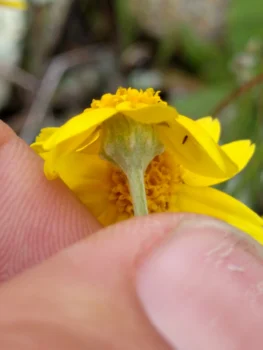
Foothill Sunburst: A Charming California Native Wildflower
If you’re looking to add a splash of golden sunshine to your California native garden, meet the delightful foothill sunburst (Pseudobahia heermannii). This cheerful annual wildflower may be small in stature, but it packs a big punch when it comes to supporting local wildlife and adding authentic California charm to your landscape.
What Makes Foothill Sunburst Special?
Foothill sunburst is a true California native, found exclusively in the Golden State’s foothill regions. As an annual forb – basically a soft-stemmed herbaceous plant – it completes its entire life cycle in one growing season, making it perfect for gardeners who enjoy seasonal changes in their landscape.
This native beauty produces small, bright yellow daisy-like flowers that seem to glow in the California sunshine. While each individual plant may be modest in size, when grown in groups, foothill sunburst creates stunning displays of golden color that rival any exotic import.
Where Does It Grow Naturally?
Foothill sunburst is endemic to California, meaning you won’t find it growing wild anywhere else in the world. It thrives in the state’s characteristic Mediterranean climate, particularly in foothill regions where it has adapted to the natural wet-dry seasonal cycle.
- Species observed
- No observations
Why Grow Foothill Sunburst in Your Garden?
There are plenty of compelling reasons to welcome this native charmer into your landscape:
- Supports Local Wildlife: Native bees, butterflies, and other pollinators have evolved alongside this plant and rely on it for nectar and pollen
- Low Maintenance: Once established, it requires minimal care and can thrive in poor soils
- Authentic California Character: Adds genuine regional flavor to native plant gardens
- Seasonal Interest: Provides beautiful spring and early summer color
- Water-Wise: Drought-tolerant once established, perfect for sustainable gardening
Best Garden Settings
Foothill sunburst shines brightest in:
- Native California wildflower gardens
- Naturalistic landscapes
- Meadow-style plantings
- Rock gardens with good drainage
- Seasonal display areas
Growing Conditions and Care
The beauty of foothill sunburst lies in its simplicity. This resilient native asks for very little:
- Sunlight: Thrives in full sun conditions
- Soil: Prefers well-draining soils but tolerates poor, rocky conditions
- Water: Drought-tolerant once established; benefits from winter/spring moisture
- Climate: Best suited for USDA hardiness zones 8-10
Planting and Care Tips
Growing foothill sunburst is refreshingly straightforward:
- Timing: Direct seed in fall to mimic natural germination patterns
- Seeding: Scatter seeds over prepared soil and lightly rake in
- Watering: Provide moderate water during germination and early growth
- Maintenance: Allow plants to complete their cycle and drop seeds for next year’s display
- Fertilizing: Generally unnecessary – these plants prefer lean conditions
A Perfect Addition to Your Native Garden
Foothill sunburst represents everything wonderful about California native plants: beauty, resilience, and ecological value all wrapped up in one charming package. While it may only grace your garden for one season, the wildlife benefits and authentic California character it brings make it absolutely worth growing.
Whether you’re creating your first native garden or adding to an established landscape, foothill sunburst offers an easy, rewarding way to support local ecosystems while enjoying gorgeous seasonal color. Plus, if you let it go to seed, you might just find volunteers popping up in perfect spots you never would have thought to plant them!