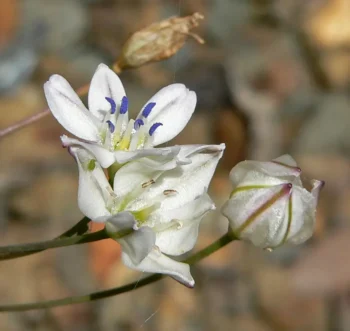
Foothill Triteleia: California’s Charming Native Bulb
If you’re looking to add authentic California charm to your garden while supporting local wildlife, foothill triteleia (Triteleia lilacinum) might just be the perfect native bulb for you. This delightful perennial brings a splash of lilac-purple color to spring gardens and embodies the natural beauty of California’s foothill regions.
What Makes Foothill Triteleia Special?
Foothill triteleia is a native California bulb that produces clusters of small, funnel-shaped flowers in lovely shades of lilac to purple. Rising on slender stems that reach 1-2 feet tall, these charming blooms appear in late spring and early summer, creating a naturalized look that feels right at home in the Golden State landscape.
As a true California native, this herbaceous perennial has evolved to thrive in the state’s unique climate and soil conditions. It’s classified as a forb, meaning it’s a flowering plant without woody stems that dies back to underground bulbs each year, only to return with renewed vigor the following spring.
Where Does Foothill Triteleia Grow Naturally?
This beautiful bulb is endemic to California, where it naturally occurs in foothill regions throughout the state. You’ll find it growing wild in grasslands, oak woodlands, and chaparral communities, often alongside other native wildflowers and grasses.
- Species observed
- No observations
Why Grow Foothill Triteleia in Your Garden?
There are several compelling reasons to consider adding foothill triteleia to your landscape:
- Native authenticity: It’s a true California native that belongs in regional gardens
- Pollinator magnet: The flowers attract native bees, butterflies, and other beneficial insects
- Low maintenance: Once established, it requires minimal care and is naturally drought-tolerant
- Seasonal interest: Provides beautiful spring and early summer blooms
- Naturalized look: Creates an authentic wildflower garden aesthetic
Perfect Garden Settings
Foothill triteleia shines in several garden styles and settings:
- Native plant gardens and natural landscapes
- Rock gardens and xeriscapes
- Wildflower meadows and prairie-style plantings
- Drought-tolerant garden borders
- Oak woodland gardens
This compact bulb spreads to about 6-12 inches wide, making it perfect for grouping in drifts or tucking into smaller spaces where you want a pop of native color.
Growing Conditions and Care
Foothill triteleia is remarkably easy to grow when you match its natural preferences:
Climate: Thrives in USDA hardiness zones 8-10, making it perfect for most of California’s climate zones.
Sun and Soil: Prefers full sun to partial shade and well-draining soil. Like many California natives, it doesn’t appreciate heavy, waterlogged conditions.
Water Needs: Once established, this drought-tolerant beauty requires minimal supplemental watering. It’s adapted to California’s dry summer conditions and actually prefers to stay relatively dry during its dormant period.
Planting and Care Tips
Getting foothill triteleia established in your garden is straightforward:
- Planting time: Plant bulbs in fall for spring blooms
- Soil preparation: Ensure good drainage; amend heavy clay soils with compost or plant in raised beds
- Spacing: Plant bulbs 3-4 inches apart for a naturalized look
- Depth: Plant bulbs 2-3 times their height deep
- After blooming: Allow foliage to die back naturally to feed the bulbs for next year’s show
- Maintenance: Minimal care needed once established; avoid summer watering
Supporting California’s Ecosystem
By choosing foothill triteleia, you’re not just adding beauty to your garden—you’re supporting California’s native ecosystem. These flowers provide nectar for native pollinators that have evolved alongside them over thousands of years. It’s a small but meaningful way to help preserve the state’s natural heritage right in your own backyard.
Whether you’re creating a dedicated native plant garden or simply want to add some authentic California character to your landscape, foothill triteleia offers the perfect combination of beauty, ecological value, and easy care that makes it a winner for Golden State gardeners.