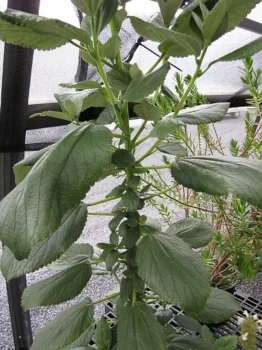
Forbes’ Pipturus: A Rare Hawaiian Native Worth Protecting
If you’re passionate about native Hawaiian plants, you might have come across Forbes’ pipturus (Pipturus forbesii) in your research. This lesser-known shrub deserves attention not just for its botanical significance, but for what it represents in Hawaii’s delicate ecosystem balance.
What Makes Forbes’ Pipturus Special
Forbes’ pipturus is a perennial shrub that’s exclusively native to Hawaii. As a member of the nettle family, this multi-stemmed woody plant typically grows to heights of 13-16 feet, though it can sometimes stretch taller or remain single-stemmed depending on environmental conditions. What makes this plant truly remarkable isn’t just its growth pattern—it’s its rarity.
Where You’ll Find It (If You’re Lucky)
This Hawaiian endemic is found only in the islands of Hawaii, where it grows naturally in specific ecological niches. Its distribution is limited, which contributes to its conservation concerns.
- Species observed
- No observations
A Plant That Needs Our Help
Here’s where things get serious: Forbes’ pipturus has a Global Conservation Status of S2S3, indicating it’s quite rare and potentially vulnerable. This isn’t a plant you should casually add to your shopping list. If you’re considering growing it, you need to think like a conservationist first and a gardener second.
The Wetland Connection
Forbes’ pipturus has a facultative wetland status in Hawaii, meaning it’s equally comfortable in wetlands and drier areas. This flexibility might seem like it would help the species thrive, but its rarity suggests other factors are limiting its success in the wild.
Should You Grow Forbes’ Pipturus?
The short answer is: maybe, but with serious caveats. If you’re determined to grow this rare native, here are the non-negotiables:
- Source responsibly: Only obtain plants or seeds from reputable native plant societies, botanical gardens, or conservation programs
- Never collect from the wild: This could further threaten wild populations
- Focus on habitat restoration: This plant is best suited for serious restoration projects rather than casual landscaping
- Connect with experts: Work with Hawaiian native plant specialists who understand proper cultivation techniques
Growing Conditions and Care
While specific cultivation details for Forbes’ pipturus are limited due to its rarity, we know it can adapt to both wet and dry conditions given its facultative wetland status. As a Hawaiian native, it’s adapted to tropical conditions and likely requires:
- Warm, frost-free environments
- Adequate moisture without waterlogging
- Protection from strong winds
- Well-draining soil that can retain some moisture
The Bigger Picture
Forbes’ pipturus represents something bigger than just another plant for your garden. It’s a reminder that Hawaii’s native flora faces significant challenges, and every rare species matters. While you might not be able to casually grow this shrub in your backyard, you can support Hawaiian native plant conservation in other ways—like choosing other native Hawaiian plants for your landscape or supporting local conservation efforts.
If you’re passionate about native Hawaiian gardening, consider starting with more readily available native species while learning about conservation-minded gardening practices. That way, if you do have the opportunity to grow rare species like Forbes’ pipturus, you’ll be ready to give them the specialized care they deserve.