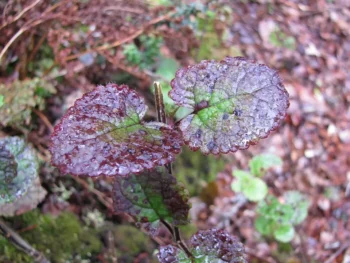
Forest Stenogyne: A Rare Hawaiian Native Worth Protecting in Your Garden
If you’re passionate about Hawaiian native plants and conservation gardening, you might want to learn about forest stenogyne (Stenogyne kamehamehae), a charming but vulnerable native herb that deserves our attention and care.
What Makes Forest Stenogyne Special?
Forest stenogyne is a perennial herb that belongs to Hawaii’s unique flora. This modest plant may not be the showiest specimen in your garden, but it carries significant ecological and cultural value as an indigenous Hawaiian species. With its delicate clusters of small white to pale pink flowers and attractive foliage, it brings a subtle beauty that complements other native plants beautifully.
Where Does It Come From?
This native Hawaiian plant is found exclusively in the Hawaiian Islands, where it naturally grows in forest understory environments. You won’t find forest stenogyne anywhere else in the world – it’s a true Hawaiian endemic that has evolved specifically for island conditions.
- Species observed
- No observations
Important Conservation Note
Here’s something every gardener should know: forest stenogyne has a Global Conservation Status of S3, which means it’s considered vulnerable. This classification indicates the species is at risk due to its limited range and relatively small population numbers. If you’re interested in growing this plant, it’s crucial to source it responsibly from reputable native plant nurseries that propagate from ethically collected seeds or cuttings.
Garden Role and Design Potential
Forest stenogyne works wonderfully as an understory plant in native Hawaiian garden designs. Its low-growing, herbaceous nature makes it perfect for:
- Native plant restoration projects
- Shaded woodland gardens
- Conservation landscapes
- Educational gardens showcasing Hawaiian flora
This plant pairs beautifully with other native Hawaiian species and helps create authentic island ecosystems in residential settings.
Growing Conditions
Forest stenogyne thrives in conditions that mimic its natural forest habitat:
- Light: Partial to full shade (avoid direct sunlight)
- Soil: Moist, well-draining soil rich in organic matter
- Moisture: Consistent moisture without waterlogging
- Climate: Humid tropical conditions (USDA zones 10-11)
The plant has a facultative wetland status, meaning it can adapt to both wetland and non-wetland conditions, though it generally prefers consistently moist environments.
Planting and Care Tips
Successfully growing forest stenogyne requires attention to its specific needs:
- Plant in a shaded location protected from harsh winds
- Maintain consistent soil moisture without overwatering
- Apply organic mulch to retain moisture and suppress weeds
- Provide good air circulation to prevent fungal issues
- Avoid fertilizers high in nitrogen, which can harm native plants
Wildlife and Pollinator Benefits
As a native Hawaiian plant, forest stenogyne plays an important role in supporting local ecosystems. Its flowers attract native Hawaiian insects and contribute to the complex web of relationships that make island ecosystems function properly.
Should You Grow Forest Stenogyne?
If you’re committed to conservation gardening and have the right growing conditions, forest stenogyne can be a meaningful addition to your native plant collection. However, given its vulnerable status, this isn’t a plant for casual gardening experiments. Consider growing it if you:
- Are dedicated to Hawaiian native plant conservation
- Have experience with native plants
- Can provide appropriate shade and moisture conditions
- Can source plants from reputable native plant suppliers
By growing forest stenogyne responsibly, you’re not just adding a unique plant to your garden – you’re participating in the preservation of Hawaii’s irreplaceable botanical heritage. Just remember, every plant counts when a species is vulnerable, so treat this one with the respect and care it deserves.