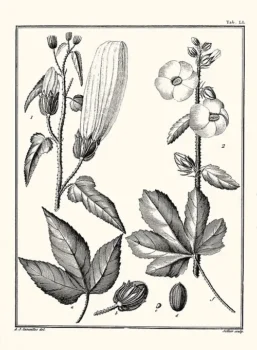
Fork-Bracted Rosemallow: A Hidden Gem for Wetland Gardens
Meet the fork-bracted rosemallow (Hibiscus bifurcatus), a charming native hibiscus that’s perfectly suited for gardeners looking to create authentic wetland habitats or tackle those perpetually soggy spots in their landscape. While it may not have the showy, dinner-plate-sized blooms of its tropical cousins, this delicate beauty brings its own special magic to the garden.
What Makes Fork-Bracted Rosemallow Special
This perennial forb is a true American native, naturally found in Florida, Puerto Rico, and the U.S. Virgin Islands. Unlike many garden plants that struggle in wet conditions, the fork-bracted rosemallow actually thrives in them! Its classification as a facultative wetland plant means it’s perfectly at home in both soggy soils and occasional flooding – making it an ideal choice for rain gardens, pond edges, or that low-lying area where other plants fear to tread.
- Species observed
- No observations
Garden Appeal and Landscape Role
Don’t expect huge, tropical-looking blooms from this modest hibiscus. Instead, you’ll be charmed by smaller, delicate flowers that typically showcase sunny yellow petals with contrasting red centers. The plant grows as an herbaceous perennial, meaning it lacks woody stems but returns year after year from its roots.
Fork-bracted rosemallow shines in:
- Rain gardens and bioswales
- Wetland restoration projects
- Native plant gardens
- Coastal landscapes
- Wildlife habitat gardens
Pollinator and Wildlife Benefits
Like other members of the hibiscus family, fork-bracted rosemallow is a pollinator magnet. Its flowers attract native bees, butterflies, and other beneficial insects that are crucial for a healthy garden ecosystem. By choosing this native species over non-native alternatives, you’re providing food sources that local wildlife have evolved alongside for thousands of years.
Growing Conditions and Care
This is where fork-bracted rosemallow really stands out – it’s incredibly low-maintenance once you understand its preferences:
Light: Full sun to partial shade
Soil: Consistently moist to wet soils; tolerates periodic flooding
Water: High water needs – perfect for areas with poor drainage
Hardiness: USDA Zones 9-11 (subtropical to tropical)
Planting and Care Tips
Getting started with fork-bracted rosemallow is refreshingly simple:
- Plant in spring after the last frost date
- Choose the wettest, most challenging spot in your garden
- Ensure consistent moisture – this plant never wants to dry out completely
- Minimal fertilization needed; it’s adapted to naturally nutrient-rich wetland soils
- In cooler parts of its range, the plant may die back to the ground but will return from roots
Is Fork-Bracted Rosemallow Right for Your Garden?
This native beauty is perfect if you’re dealing with wet, poorly-drained soils where other plants struggle. It’s an excellent choice for gardeners committed to using native species and supporting local wildlife. However, keep in mind its limited cold tolerance – gardeners north of Zone 9 may need to treat it as an annual or grow it in containers that can be protected during winter.
The fork-bracted rosemallow may not be the showiest hibiscus in the family, but for the right garden conditions, it’s an invaluable native plant that brings both ecological benefits and subtle beauty to wetland landscapes. Sometimes the most rewarding garden plants are the ones that work with nature rather than against it!