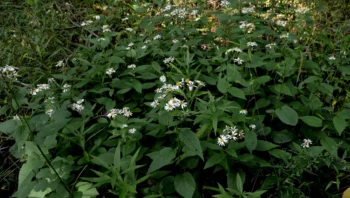
Forked Aster: A Rare Native Gem for Your Prairie Garden
Meet the forked aster (Eurybia furcata), a charming native wildflower that’s flying under the radar in most gardening circles. This unassuming perennial might not be the showiest plant in your garden, but it packs a punch when it comes to supporting late-season pollinators and adding authentic prairie character to your landscape.
What Makes Forked Aster Special
The forked aster is a true Midwestern native, calling states like Wisconsin, Michigan, Illinois, Indiana, Iowa, Missouri, and Arkansas home. As a herbaceous perennial forb, this plant returns year after year, gradually building small colonies that become more beautiful with time.
- Species observed
- No observations
What sets this aster apart is its conservation status. With a Global Conservation Status of S3 (Vulnerable), forked aster is considered rare throughout its range, with only 21 to 100 known occurrences and an estimated 3,000 to 10,000 individuals remaining in the wild. This makes it a truly special addition to any native plant garden.
Garden Appeal and Landscape Role
While forked aster may not have the bold presence of some showier natives, it brings subtle beauty to naturalistic gardens and prairie restorations. The small white to pale purple flowers appear in late summer and fall, providing crucial nectar sources when many other wildflowers have finished blooming.
This plant works best in:
- Prairie-style gardens
- Naturalistic landscapes
- Conservation gardens
- Native plant collections
- Pollinator support areas
Growing Conditions and Care
Forked aster is surprisingly adaptable once established, thriving in USDA hardiness zones 4-8. It prefers full sun to partial shade and well-drained soils, making it suitable for a variety of garden situations.
Key growing requirements:
- Full sun to part shade exposure
- Well-drained soil (avoid waterlogged conditions)
- Drought tolerant once established
- Low maintenance requirements
- May self-seed in suitable conditions
Planting and Care Tips
Given its rare status, sourcing forked aster responsibly is crucial. Only purchase plants from reputable native plant nurseries that can verify their plants are nursery-propagated rather than wild-collected.
Care is refreshingly simple:
- Plant in spring or fall
- Water regularly the first year to establish roots
- Cut back stems in early spring before new growth
- Allow some plants to go to seed for natural propagation
- Minimal fertilization needed – native soils are typically sufficient
Supporting Pollinators and Wildlife
The late-blooming nature of forked aster makes it invaluable for supporting butterflies, native bees, and other pollinators preparing for winter. When most garden flowers have faded, this humble aster continues providing nectar through fall.
Should You Grow Forked Aster?
If you’re passionate about native plants and conservation gardening, forked aster deserves a spot in your landscape. However, its rare status means you have a responsibility to source plants ethically and help preserve this species for future generations.
Consider forked aster if you:
- Want to support rare native species
- Are creating a prairie or naturalistic garden
- Value late-season pollinator support
- Prefer low-maintenance plants
- Can source plants responsibly
While forked aster might not win any flashy flower contests, it offers something more valuable: a direct connection to North America’s prairie heritage and a chance to support biodiversity in your own backyard. Just remember to buy from reputable sources and help this vulnerable species thrive for generations to come.