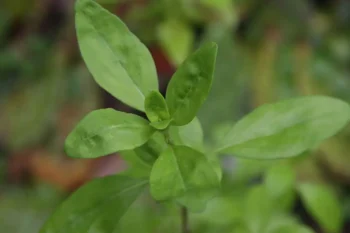
Forked Bluecurls: A Charming Native Annual for Wild Gardens
If you’re looking for a native wildflower that brings late-season color and supports pollinators without demanding much fuss, forked bluecurls (Trichostema dichotomum) might just be your new garden friend. This delightful little annual has been quietly decorating North American landscapes long before European settlers arrived, and it’s ready to add some wild charm to your garden too.
What Makes Forked Bluecurls Special?
Forked bluecurls gets its name from its distinctive flower clusters that split into forked branches, each topped with small, curved blue to purple blooms. The flowers have an almost whimsical appearance, with their tubular petals and long, protruding stamens that curve gracefully outward. It’s like nature’s version of tiny blue curling ribbons dancing in the breeze.
As an annual forb (that’s botanist-speak for a non-woody flowering plant), forked bluecurls completes its entire life cycle in one growing season. Don’t let its small stature fool you though – this plant packs a punch when it comes to supporting local wildlife and adding texture to naturalized plantings.
Where Does It Call Home?
Forked bluecurls is a true North American native, naturally occurring from southeastern Canada down to Florida and stretching west to Texas and parts of the Great Plains. You’ll find it growing wild in states including Alabama, Arkansas, Connecticut, Delaware, Florida, Georgia, Illinois, Indiana, Iowa, Kentucky, Louisiana, Maine, Maryland, Massachusetts, Michigan, Mississippi, Missouri, New Hampshire, New Jersey, New York, North Carolina, Ohio, Oklahoma, Pennsylvania, Rhode Island, South Carolina, Tennessee, Texas, Vermont, Virginia, and West Virginia, plus Ontario and Quebec in Canada.
- Species observed
- No observations
Garden Role and Design Ideas
Forked bluecurls shines brightest in wild, naturalized settings where it can express its free-spirited nature. Here’s where it works best:
- Wildflower meadows and prairie restorations
- Naturalized garden borders
- Disturbed site restoration projects
- Native plant gardens
- Areas where you want late-season color without high maintenance
This isn’t the plant for formal flower beds or manicured landscapes – it’s got more of a I grew here naturally vibe that looks best when allowed to mingle with other native wildflowers and grasses.
Growing Conditions and Care
One of the best things about forked bluecurls is how easygoing it is. This plant has adapted to some pretty challenging conditions in the wild, which means less work for you:
- Sunlight: Full sun is preferred
- Soil: Well-drained sandy or gravelly soils; tolerates poor, dry conditions
- Water: Drought tolerant once established; doesn’t like wet feet
- USDA Zones: 3-9 (as an annual)
The wetland status varies by region, but generally, forked bluecurls is an obligate upland plant, meaning it almost never occurs in wetlands. In the Great Plains, it’s more flexible and can handle some moisture, but overall, this is a plant that prefers drier conditions.
Planting and Propagation Tips
Getting forked bluecurls established in your garden is refreshingly simple:
- Direct seed in spring after the last frost or in fall for spring germination
- Scatter seeds over prepared soil and lightly rake in
- Seeds are small, so don’t bury them too deeply
- Water gently until germination occurs
- Once established, the plants will often self-seed for next year
The beauty of working with annuals like forked bluecurls is that they often create their own sustainable populations through self-seeding, giving you that perfect wild look year after year.
Wildlife and Pollinator Benefits
Despite its small flowers, forked bluecurls is a pollinator magnet. Bees, butterflies, and other small beneficial insects appreciate the nectar-rich blooms, especially since this plant flowers later in the season when many other wildflowers have finished blooming. It’s like providing a late-season snack bar for your local pollinators.
Should You Plant Forked Bluecurls?
If you’re creating a native wildflower garden, restoration project, or simply want to support local wildlife with minimal effort, forked bluecurls is definitely worth considering. It’s particularly valuable if you:
- Want to support native pollinators
- Have dry, sandy, or poor soil conditions
- Prefer low-maintenance plants
- Are working on naturalized or wild garden areas
- Want late-season color and texture
However, if you’re looking for showy garden specimens, reliable cut flowers, or plants for formal landscapes, you might want to explore other options.
The Bottom Line
Forked bluecurls may not win any most dramatic garden plant awards, but it offers something equally valuable: authentic native charm that supports local ecosystems while asking very little in return. In our increasingly managed world, there’s something deeply satisfying about growing a plant that feels truly wild and free. Plus, your local bees and butterflies will definitely approve of your choice.