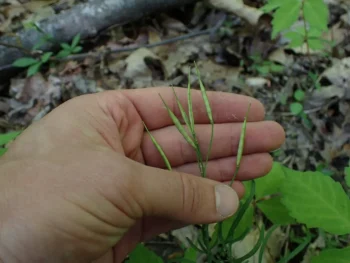
Forkleaf Toothwort: A Delicate Spring Treasure for Your Shade Garden
If you’re looking for a charming early spring wildflower that kicks off the growing season with delicate white blooms, forkleaf toothwort (Cardamine dissecta) might be just the ticket. This native perennial brings a touch of woodland magic to shade gardens across the southeastern United States, though it’s becoming increasingly rare in some areas.
What Makes Forkleaf Toothwort Special
Forkleaf toothwort is a native perennial forb that belongs to the mustard family. As its name suggests, this plant features deeply divided, fork-like leaves that create an intricate, lacy texture in the garden. The small white flowers appear in early spring, often before many other plants have even begun to stir, making it a valuable early-season performer.
You might also see this plant referenced by its botanical name, Cardamine dissecta, or encounter it listed under several historical synonyms including Dentaria dissecta and Cardamine multifida.
Where It Calls Home
This southeastern native grows naturally across 13 states: Alabama, Arkansas, Georgia, Indiana, Kentucky, Mississippi, North Carolina, Ohio, Oklahoma, South Carolina, Tennessee, Virginia, and West Virginia. It thrives in USDA hardiness zones 5-8, making it suitable for a wide range of gardens in these regions.
- Species observed
- No observations
Important Conservation Note
Before you rush out to find forkleaf toothwort, there’s something important to know: this plant is considered rare in some areas. In Arkansas, it holds an S1 rarity status, meaning it’s critically imperiled in that state. If you’re interested in growing this species, please only purchase plants or seeds from reputable native plant nurseries that source their material responsibly. Never collect plants from the wild.
Garden Appeal and Design Role
Forkleaf toothwort brings several appealing qualities to the garden:
- Delicate white flowers that appear in early spring
- Attractive, deeply divided foliage with an intricate appearance
- Low-growing habit that works well as groundcover
- Natural woodland appearance that complements other native plants
This plant works beautifully in woodland gardens, native plant collections, and shade gardens where you want to create a natural, understated look. It pairs wonderfully with other spring ephemerals and shade-loving natives.
Pollinator and Wildlife Benefits
As an early bloomer, forkleaf toothwort provides crucial nectar when few other flowers are available. Small pollinators and beneficial insects appreciate this early-season food source, making it a valuable addition to pollinator-friendly gardens.
Growing Conditions
Forkleaf toothwort prefers conditions that mimic its natural woodland habitat:
- Partial to full shade
- Moist, well-drained soil
- Rich, organic soil similar to forest floor conditions
- Consistent moisture, especially during growing season
Planting and Care Tips
Growing forkleaf toothwort successfully requires mimicking its natural environment:
- Plant in fall to allow for natural cold stratification
- Choose a spot with morning sun and afternoon shade, or dappled light throughout the day
- Amend soil with compost or leaf mold to improve organic content
- Maintain consistent moisture but ensure good drainage
- Mulch lightly with shredded leaves to retain moisture and suppress weeds
- Be patient – this plant may take time to establish
Once established, forkleaf toothwort is relatively low-maintenance. It’s a perennial that will return each spring, gradually forming small colonies over time.
Is Forkleaf Toothwort Right for Your Garden?
Consider adding forkleaf toothwort to your garden if you:
- Have a shaded area that needs early spring interest
- Want to support native plant conservation
- Enjoy delicate, understated flowers
- Are creating a woodland or naturalistic garden
- Want to provide early-season nectar for pollinators
Keep in mind that this isn’t a showstopper plant – its appeal lies in its subtle beauty and ecological value rather than bold visual impact. If you’re looking for dramatic spring color, you might want to pair it with other more prominent bloomers.
By choosing to grow forkleaf toothwort from responsibly sourced stock, you’re not only adding a charming native plant to your garden but also supporting the conservation of this increasingly rare species. It’s a small but meaningful way to help preserve our native plant heritage for future generations.