Fort Sheridan Hawthorn: A Rare Great Lakes Native Worth Growing Responsibly
If you’re looking to add a touch of Great Lakes history to your garden while supporting local wildlife, the Fort Sheridan hawthorn (Crataegus apiomorpha) might just be the perfect addition. This charming native shrub offers four-season interest and plays an important role in regional ecosystems, though its rarity means you’ll want to source it responsibly.
What Makes Fort Sheridan Hawthorn Special?
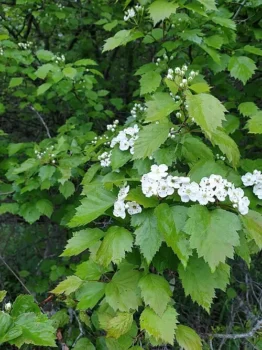
Fort Sheridan hawthorn is a delightful perennial shrub that typically grows as a multi-stemmed woody plant, usually staying under 13-16 feet in height. Like other hawthorns, it’s armed with thorns but rewards gardeners with clusters of white flowers in spring, followed by small red fruits that persist into fall and winter.
This species is native to both Canada and the lower 48 states, with a range that includes Ontario, Illinois, Michigan, Ohio, Pennsylvania, and Wisconsin. It’s particularly associated with the Great Lakes region, where it has adapted to the unique climate and growing conditions of this area.
- Species observed
- No observations
A Word About Rarity
Before we dive into growing tips, there’s something important to know: Fort Sheridan hawthorn has a Global Conservation Status of S3S4Q, which means it’s considered uncommon and potentially vulnerable. If you’re interested in growing this native beauty, please make sure to source your plants from reputable native plant nurseries that propagate their stock rather than wild-collecting.
Why Grow Fort Sheridan Hawthorn?
There are several compelling reasons to consider this native shrub for your landscape:
- Pollinator magnet: The spring flowers attract bees, flies, and other beneficial pollinators
- Wildlife value: Birds love the small red fruits, and the thorny branches provide excellent nesting sites
- Four-season interest: Spring flowers, summer foliage, fall color, and persistent winter fruits
- Low maintenance: Once established, hawthorns are generally drought tolerant and require minimal care
- Native ecosystem support: Helps maintain regional biodiversity
Growing Conditions and Care
Fort Sheridan hawthorn is surprisingly adaptable, which is part of what makes it such a valuable native plant:
- Sunlight: Thrives in full sun to partial shade
- Soil: Adaptable to various soil types, though well-draining soil is preferred
- Hardiness: Suitable for USDA zones 4-7, perfect for Great Lakes region gardens
- Water needs: Drought tolerant once established, though regular watering helps during the first growing season
Planting and Care Tips
Getting your Fort Sheridan hawthorn off to a good start is straightforward:
- Plant in spring or fall for best establishment
- Dig a hole twice as wide as the root ball but no deeper
- Water regularly during the first year to help establish roots
- Apply a 2-3 inch layer of mulch around the base, keeping it away from the trunk
- Prune if needed in late winter while the plant is dormant
- Be patient – hawthorns can be slow to establish but are long-lived once settled
Perfect Landscape Roles
Fort Sheridan hawthorn shines in several garden settings:
- Wildlife gardens: Excellent for attracting birds and pollinators
- Native plant gardens: A wonderful addition to Great Lakes native plantings
- Naturalized areas: Perfect for more informal, naturalistic landscapes
- Erosion control: The root system helps stabilize slopes
- Specimen planting: Beautiful as a focal point, especially when in bloom
The Bottom Line
Fort Sheridan hawthorn offers gardeners in the Great Lakes region a chance to grow a beautiful, ecologically valuable native plant while supporting conservation efforts. Its combination of spring flowers, wildlife benefits, and low-maintenance nature makes it an excellent choice for nature-loving gardeners. Just remember to source your plants responsibly from nurseries that propagate rather than wild-collect, helping ensure this special native species continues to thrive for future generations.
By choosing native plants like Fort Sheridan hawthorn, you’re not just creating a beautiful garden – you’re helping preserve the natural heritage of the Great Lakes region, one thoughtfully planted shrub at a time.