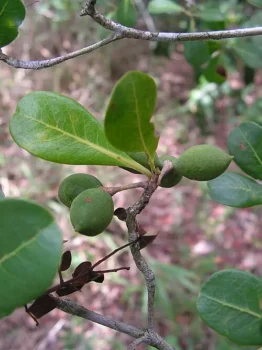
Fourleaf Buchenavia: A Majestic Native Tree for Tropical Gardens
If you’re gardening in Puerto Rico or the U.S. Virgin Islands and looking for a spectacular native tree to anchor your landscape, let me introduce you to the fourleaf buchenavia (Buchenavia tetraphylla). This impressive perennial tree might not be a household name, but it’s definitely worth getting acquainted with if you want to create an authentic Caribbean garden.
What Makes Fourleaf Buchenavia Special?
The fourleaf buchenavia is a true Caribbean native, calling Puerto Rico and the U.S. Virgin Islands home. As a substantial tree that typically grows over 13-16 feet tall with a single trunk, this beauty can become a real showstopper in the right setting. You might also see it listed under its botanical synonyms Buchenavia capitata or Bucida capitata in older references.
What sets this tree apart is right there in its name – those distinctive four-leaf arrangements that give it both its common name and its species designation tetraphylla (meaning four leaves). It’s like nature’s way of creating a living sculpture in your garden.
Where Does Fourleaf Buchenavia Grow?
This tropical beauty is naturally found in Puerto Rico and the Virgin Islands, where it has adapted perfectly to the Caribbean climate and conditions.
- Species observed
- No observations
Is This Tree Right for Your Garden?
Here’s the thing about fourleaf buchenavia – it’s definitely not for every gardener, but if you’re in the right location, it could be perfect for you.
You’ll love this tree if:
- You live in USDA hardiness zones 10b-11 (basically tropical climates)
- You have plenty of space for a large specimen tree
- You want to support native Caribbean plant species
- You’re creating a tropical or subtropical landscape design
- You need a substantial shade tree for hot climates
This might not be your tree if:
- You live outside tropical zones – this tree needs warmth year-round
- You have a small garden or limited space
- You prefer low-maintenance plants (large trees require more care)
Growing Conditions and Care
Fourleaf buchenavia has some specific preferences, which makes sense given its tropical Caribbean origins. Here’s what you need to know:
Climate Requirements: This tree is strictly for tropical climates (zones 10b-11). It cannot tolerate frost or extended cool periods, so don’t even think about trying it in temperate areas.
Soil and Water: Like many Caribbean natives, it prefers well-draining soils and doesn’t like to sit in waterlogged conditions. Interestingly, it’s classified as facultative upland, meaning it usually grows in non-wetland areas but can occasionally tolerate wetter conditions.
Sun Exposure: Full sun to partial shade works well for this adaptable tree.
Planting and Care Tips
Successfully growing fourleaf buchenavia requires some patience and the right approach:
- Plant in a location with plenty of room for growth – remember, this will become a substantial tree
- Ensure excellent drainage to prevent root rot
- Water regularly during establishment, then adjust based on local rainfall
- Protect young trees from strong winds until they’re well-established
- Be patient – like most large trees, growth may be slow initially
The Bottom Line
Fourleaf buchenavia is one of those special native plants that deserves more attention from Caribbean gardeners. If you have the right climate and space, this impressive tree can become a magnificent centerpiece that connects your garden to the authentic flora of Puerto Rico and the Virgin Islands. Sure, it’s not the easiest tree to grow, and it definitely has specific requirements, but for the right gardener in the right place, it’s absolutely worth considering.
Just remember – this is strictly a tropical tree for tropical gardeners. But if that describes you, why not celebrate your local native flora with this distinctive and beautiful species?