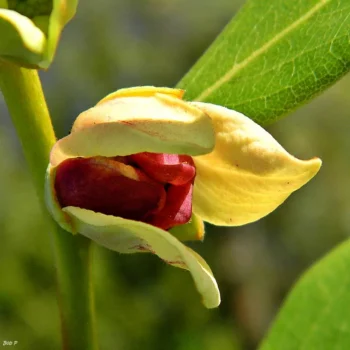
Fourpetal Pawpaw: Florida’s Rarest Native Treasure
Meet the fourpetal pawpaw (Asimina tetramera), one of Florida’s most precious and endangered native plants. This remarkable little shrub is so rare that spotting one in the wild is like finding a botanical unicorn. Before we dive into what makes this plant special, there’s something crucial every gardener needs to know: this species is critically endangered and requires our protection more than our cultivation.
What Makes Fourpetal Pawpaw Special?
The fourpetal pawpaw is a perennial shrub that typically grows as a multi-stemmed woody plant, usually staying under 13-16 feet tall. True to its name, this pawpaw produces distinctive white to cream-colored flowers with four petals that bloom in spring, setting it apart from its more common cousins in the Asimina family.
This native Florida species belongs to the same plant family that gives us the beloved common pawpaw (Asimina triloba), but the fourpetal variety has evolved specifically for Florida’s unique scrubland environment.
Where Does It Grow?
Fourpetal pawpaw is endemic to Florida, meaning it grows naturally nowhere else on Earth. Within the Sunshine State, it’s found in the specialized scrubland habitats of central and southern regions, where it has adapted to sandy soils and the boom-and-bust water cycles of these unique ecosystems.
- Species observed
- No observations
A Plant in Crisis
Here’s where our gardening enthusiasm needs to pump the brakes. Fourpetal pawpaw has a Global Conservation Status of S1, meaning it’s critically imperiled. In the United States, it’s classified as Endangered, with typically fewer than 5 occurrences and very few remaining individuals (less than 1,000 plants total).
This rarity status means that while we might be tempted to add this unique native to our gardens, our first priority should be supporting conservation efforts rather than cultivation attempts.
Growing Conditions and Challenges
Even if you could source this plant responsibly, fourpetal pawpaw is notoriously difficult to grow outside its natural habitat. It thrives in:
- USDA hardiness zones 9-11 (basically, Florida’s climate)
- Well-drained sandy soils typical of scrublands
- Full sun to partial shade conditions
- Natural drought and flood cycles
The plant has evolved such specific requirements for Florida’s scrubland ecosystem that successful cultivation elsewhere is extremely challenging, even for experienced native plant gardeners.
Supporting Pollinators and Wildlife
In its natural habitat, fourpetal pawpaw plays an important role by attracting small flies and beetles as pollinators. The flowers, while not showy by garden standards, are perfectly adapted to attract these specialized pollinators that are crucial for the plant’s reproduction.
What Can Gardeners Do?
Instead of trying to grow this endangered species, consider these alternatives:
- Support organizations working on scrubland conservation in Florida
- Plant other native Asimina species that are more readily available and less threatened
- Create habitat for native pollinators in your own region
- Visit nature preserves where you might glimpse this rare beauty in its natural setting
If you’re absolutely determined to work with this species, only do so through established conservation programs and with properly sourced plant material—never collect from the wild.
The Bottom Line
Fourpetal pawpaw represents both the incredible diversity of Florida’s native flora and the fragility of specialized ecosystems. While we can’t recommend adding this endangered species to your home garden, we can celebrate it as a reminder of why protecting natural habitats matters so much. Sometimes the best way to love a plant is to admire it from afar and support the conservation efforts working to ensure future generations can experience this botanical treasure.
For Florida gardeners interested in native pawpaws, consider the more common and readily available species that can bring similar ecological benefits to your landscape without putting pressure on critically endangered populations.