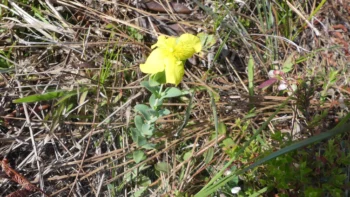
Fourpetal St. Johnswort: A Unique Native Wetland Beauty
Meet the fourpetal St. Johnswort (Hypericum tetrapetalum), a charming native shrub that’s perfect for gardeners looking to create authentic wetland habitats. This delightful plant breaks the mold of typical St. Johnswort flowers with its distinctive four-petaled blooms – a quirky departure from the usual five petals you’d expect!
Where It Calls Home
This native beauty is exclusively found in the southeastern United States, specifically thriving in Florida and Georgia. As a true native to the lower 48 states, it’s perfectly adapted to the unique conditions of the Atlantic and Gulf Coastal Plain regions.
- Species observed
- No observations
What Makes It Special
The fourpetal St. Johnswort is a perennial shrub that typically stays compact, reaching heights of less than 13-16 feet. What really sets it apart are those unusual four-petaled yellow flowers that bloom from spring through fall, creating a long season of cheerful color in wetland settings. You might also see it listed under its synonym, Ascyrum tetrapetalum, in older gardening references.
Why Wetland Gardeners Love It
Here’s where this plant gets really interesting – it’s classified as an Obligate Wetland species, meaning it almost always occurs in wetlands. This makes it absolutely perfect for:
- Rain gardens and bioswales
- Bog gardens and wetland restorations
- Native plant gardens with consistent moisture
- Naturalistic landscapes near water features
The bright yellow flowers are magnets for pollinators, attracting bees, flies, and other beneficial insects that appreciate wetland blooms. It’s an excellent choice for gardeners wanting to support local ecosystems while creating authentic regional landscapes.
Growing Conditions
Success with fourpetal St. Johnswort is all about understanding its water needs. This plant thrives in:
- Soil moisture: Consistently moist to wet conditions – think bog-like!
- Light: Full sun to partial shade
- Soil type: Acidic, organic-rich wetland soils
- Climate: USDA hardiness zones 8-10
Planting and Care Tips
If you’re ready to add this wetland gem to your garden, here’s how to ensure success:
- Timing: Plant in spring when soil temperatures warm up
- Location: Choose the wettest spot in your garden – this plant cannot tolerate drought
- Soil prep: Amend with organic matter like peat or compost to increase acidity and water retention
- Watering: Keep soil consistently saturated – consider installing drip irrigation or soaker hoses
- Fertilizing: Minimal feeding needed; too much fertilizer can actually harm wetland plants
Is This Plant Right for Your Garden?
Fourpetal St. Johnswort is perfect for gardeners who:
- Have naturally wet areas or are creating wetland gardens
- Live in zones 8-10 and want authentic regional natives
- Are interested in supporting wetland pollinators
- Enjoy unique, lesser-known native species
However, it’s not the right choice if you have typical garden conditions with well-draining soil or if you’re looking for a drought-tolerant plant.
This specialized native offers gardeners a chance to grow something truly unique while supporting local wetland ecosystems. With its unusual four-petaled flowers and strong ecological value, fourpetal St. Johnswort is a rewarding choice for the right garden setting!