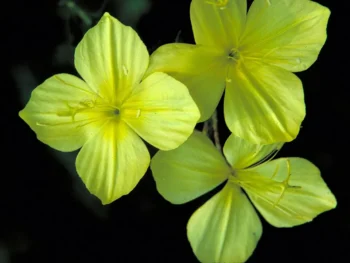
Fourpoint Evening Primrose: A Hidden Gem for Prairie Gardens
If you’re looking to add a touch of native charm to your garden while supporting local pollinators, the fourpoint evening primrose (Oenothera rhombipetala) might just be the perfect addition you didn’t know you needed. This delightful little wildflower brings both ecological value and understated beauty to naturalized landscapes across much of the United States.
What Makes This Plant Special?
The fourpoint evening primrose is a true native gem, naturally occurring across fifteen states throughout the Great Plains and Midwest regions. As an annual or biennial forb, this herbaceous plant completes its life cycle in one to two years, making it perfect for gardeners who enjoy seeing natural succession in their landscapes.
What sets this evening primrose apart is right there in its name – those distinctive diamond-shaped petals that give it the fourpoint moniker. The small yellow blooms open in the evening, creating a magical twilight display that’s perfectly timed for night-flying pollinators.
Where You’ll Find It Growing Wild
This adaptable native thrives across a wide swath of the central United States, including Arkansas, Illinois, Iowa, Kansas, Louisiana, Michigan, Minnesota, Missouri, Nebraska, New Mexico, North Dakota, Oklahoma, South Dakota, Texas, and Wisconsin. Its broad distribution speaks to its adaptability and resilience.
- Species observed
- No observations
Perfect for Prairie and Naturalized Gardens
The fourpoint evening primrose shines brightest in prairie restorations, wildflower meadows, and naturalized garden areas. It’s not necessarily a showstopper for formal flower beds, but it excels as part of a diverse native plant community where its subtle beauty and ecological benefits can be fully appreciated.
This plant typically grows in USDA hardiness zones 4-8, making it suitable for most temperate regions where it naturally occurs. Its facultative upland status means it prefers well-drained soils but can adapt to various moisture conditions.
Growing Conditions and Care
One of the best things about fourpoint evening primrose is how easygoing it is. Here’s what it needs to thrive:
- Sunlight: Full sun exposure for best flowering
- Soil: Well-draining soils; tolerates poor, sandy, or clay conditions
- Water: Drought tolerant once established; prefers dry to medium moisture
- Maintenance: Minimal care required – just let it do its thing!
Planting and Establishment Tips
Growing fourpoint evening primrose from seed is typically the most successful approach. Since it’s an annual or biennial, allowing it to self-seed will help maintain populations in your garden year after year. Scatter seeds in fall or early spring, lightly rake into soil, and let nature take its course.
The plant’s low-maintenance nature makes it ideal for busy gardeners or those creating large naturalized areas where individual plant care isn’t practical.
Supporting Night-Flying Pollinators
Here’s where this evening primrose really earns its keep in the garden ecosystem. Those evening-opening flowers are perfectly timed to attract night-flying moths and other nocturnal pollinators that are often overlooked in garden planning. By including fourpoint evening primrose in your landscape, you’re supporting the full 24-hour cycle of pollinator activity.
Is This Plant Right for Your Garden?
Choose fourpoint evening primrose if you:
- Want to support native ecosystems and biodiversity
- Are creating a prairie or wildflower garden
- Prefer low-maintenance plants
- Want to attract night-flying pollinators
- Have space for naturalized plantings
Consider other options if you:
- Need plants for formal flower beds
- Want showy, long-lasting blooms
- Prefer perennial plants that return reliably each year
- Garden in areas outside its natural range
The Bottom Line
Fourpoint evening primrose may not be the flashiest plant in the native garden, but it’s certainly one of the most ecologically valuable and easy to grow. For gardeners committed to supporting native ecosystems while creating beautiful, sustainable landscapes, this little evening primrose deserves serious consideration. Its ability to thrive with minimal intervention while supporting specialized nocturnal pollinators makes it a worthy addition to any prairie-style or naturalized garden setting.