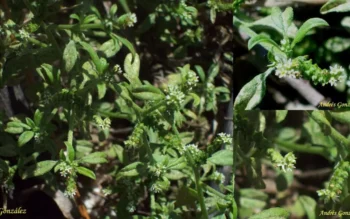
Fourspike Heliotrope: A Humble Native Wildflower Worth Getting to Know
Meet fourspike heliotrope (Heliotropium procumbens), a charming little wildflower that might not win any beauty contests but certainly deserves a spot in the conversation about native plants. This unassuming annual or perennial herb has been quietly doing its thing across much of the southern and western United States for centuries, and it’s about time we gave it the recognition it deserves.
What Exactly Is Fourspike Heliotrope?
Fourspike heliotrope is what botanists call a forb – essentially a non-woody flowering plant that stays relatively low to the ground. Don’t let its humble appearance fool you, though. This little plant packs quite a punch when it comes to supporting local ecosystems. As its name suggests, it produces distinctive curved flower spikes that curl like tiny scorpion tails, each adorned with small white blooms that appear throughout the warm months.
The plant has a spreading, somewhat prostrate growth habit, meaning it tends to sprawl along the ground rather than shooting skyward. This makes it an excellent choice for ground cover in the right conditions.
Where Does It Call Home?
This native wildflower has quite an impressive range across the southern tier of the United States. You’ll find it naturally occurring in Arizona, Arkansas, California, Florida, Louisiana, Maryland, Mississippi, Oklahoma, and Texas. It’s also native to Puerto Rico and has naturalized in Hawaii and other Pacific regions, though it’s considered non-native in those areas.
- Species observed
- No observations
Why Consider Planting Fourspike Heliotrope?
If you’re gardening within its native range, fourspike heliotrope offers several compelling reasons to include it in your landscape:
- Pollinator magnet: Those small white flowers are like tiny diners for native bees, butterflies, and other beneficial insects
- Low maintenance: Once established, this plant pretty much takes care of itself
- Salt tolerance: Perfect for coastal gardens where salt spray is a concern
- Drought resilience: Ideal for water-wise landscaping once it’s settled in
- Natural self-seeding: It’ll happily reseed itself in suitable conditions
Perfect Garden Settings
Fourspike heliotrope isn’t meant for formal flower borders or manicured landscapes. Instead, it shines in:
- Naturalized wildflower areas
- Coastal and seaside gardens
- Xeriscapes and drought-tolerant plantings
- Wildlife and pollinator gardens
- Areas with sandy or well-draining soils
Growing Conditions and Care
The beauty of fourspike heliotrope lies in its simplicity. This plant thrives in USDA hardiness zones 8-11, though it may behave as an annual in cooler areas.
Light requirements: Full sun to partial shade, though it performs best with plenty of sunlight
Soil preferences: Sandy, well-draining soils are ideal. It’s quite tolerant of poor soils and doesn’t need rich, fertile conditions
Water needs: Moderate water during establishment, then quite drought tolerant
Special considerations: This plant has facultative wetland status in most regions, meaning it can handle both wet and dry conditions, though it typically prefers areas that aren’t constantly soggy
Planting and Maintenance Tips
Growing fourspike heliotrope is refreshingly straightforward:
- Start from seed in spring after the last frost date
- Scatter seeds directly in the desired location – no need for indoor starting
- Barely cover seeds with soil, as they need light to germinate
- Keep soil moderately moist until seedlings are established
- Once mature, cut back spent flowers to encourage reseeding if desired
- Allow some plants to go to seed naturally to ensure next year’s display
A Word of Caution
Before planting, check with your local native plant society or extension office, especially if you’re outside the plant’s native range. While fourspike heliotrope isn’t currently listed as invasive in most areas, it’s always wise to verify local recommendations and consider native alternatives that might be even better suited to your specific location.
The Bottom Line
Fourspike heliotrope may not be the showiest plant in the garden, but it’s exactly the kind of steady, reliable native that forms the backbone of healthy ecosystems. If you’re looking to support local wildlife, reduce garden maintenance, and add a touch of authentic regional character to your landscape, this humble little wildflower deserves serious consideration. Just remember to source seeds responsibly and always prioritize plants native to your specific area.