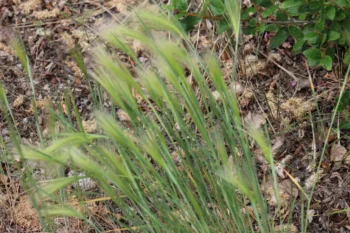
Foxtail Barley: A Native Grass with Beauty and Caution
Meet foxtail barley (Hordeum jubatum), a perennial grass that’s equal parts gorgeous and potentially problematic. This native North American grass creates stunning displays with its signature foxtail seed heads, but before you rush to plant it, there are some important things every gardener should know.
What Makes Foxtail Barley Special
Foxtail barley is a true native success story, naturally occurring across an impressive range from Alaska down through most of the United States and throughout Canada. You’ll find this hardy perennial grass growing in states and provinces including Alberta, British Columbia, Alaska, California, Texas, New York, and dozens of others – making it one of the most widely distributed native grasses in North America.
- Species observed
- No observations
As a graminoid (that’s the fancy term for grass-like plants), foxtail barley produces those distinctive seed heads that give it its common name. The long, silky awns catch the light and dance in the breeze, creating an almost magical shimmer effect that can transform any landscape.
The Good, The Bad, and The Prickly
Here’s where things get interesting with foxtail barley. While it’s undeniably beautiful and incredibly hardy, this grass comes with some significant considerations:
- Aesthetic appeal: Those gorgeous foxtail seed heads are genuinely stunning, especially when backlit
- Extreme hardiness: Thrives in USDA zones 2-9, tolerating everything from harsh winters to scorching summers
- Low maintenance: Once established, it practically takes care of itself
- Adaptable: Grows in poor soils, handles drought, and even tolerates salty conditions
But there’s a flip side:
- Sharp awns: Those beautiful seed heads have needle-sharp points that can injure pets and wildlife
- Self-seeding champion: This grass spreads readily and can become weedy
- Potentially invasive behavior: Even though it’s native, it can overwhelm other plants in some situations
Where Foxtail Barley Thrives
Understanding this grass’s preferred growing conditions helps explain both its appeal and its potential problems. Foxtail barley has varying wetland preferences depending on your region:
- Great Plains: Usually found in wetland areas
- Alaska: Prefers upland, non-wetland sites
- Most other regions: Happily grows in both wetland and upland conditions
This adaptability means it can establish itself almost anywhere, from roadside ditches to pristine prairies.
Growing Foxtail Barley Successfully (If You Choose To)
If you decide to include foxtail barley in your landscape, here’s how to manage it responsibly:
- Choose the right location: Best suited for naturalized areas, prairie gardens, or spaces where some spread is acceptable
- Plan for management: Be prepared to cut back seed heads before they fully mature if you want to limit self-seeding
- Consider your neighbors: This grass doesn’t respect property lines
- Think about pets and wildlife: The sharp awns can cause serious injury to animals
Planting and Care Tips
Foxtail barley is refreshingly easy to grow, perhaps too easy:
- Soil: Tolerates poor, rocky, or sandy soils
- Water: Drought tolerant once established, but adapts to various moisture levels
- Sun: Prefers full sun but tolerates some shade
- Propagation: Grows readily from seed (sometimes too readily!)
Wildlife and Pollinator Considerations
As a wind-pollinated grass, foxtail barley doesn’t offer much direct benefit to pollinators. However, it does provide some wildlife value as a seed source for birds and habitat for small creatures, though the sharp awns can pose risks to animals.
The Bottom Line
Foxtail barley presents a classic gardening dilemma: it’s a beautiful, low-maintenance native plant that can also become problematic. If you’re drawn to its ethereal beauty, consider enjoying it in wild spaces rather than formal gardens. For most home landscapes, you might be better served by other native grasses that offer similar aesthetic appeal without the management challenges.
If you do choose to grow foxtail barley, do so mindfully, with a plan for managing its spread and protecting pets and wildlife from those gorgeous but dangerous seed heads.