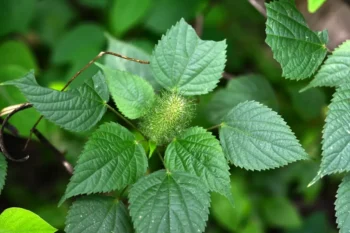
Foxtail Copperleaf: A Warm-Climate Annual Worth Considering
Meet foxtail copperleaf (Acalypha alopecuroidea), a modest annual that’s quietly made itself at home in the warmer corners of the southeastern United States. While it may not win any flashy flower contests, this unassuming little plant has some qualities that might surprise you.
What Exactly Is Foxtail Copperleaf?
Foxtail copperleaf is an annual forb – basically a soft-stemmed herbaceous plant that completes its entire life cycle in one growing season. You might also see it listed under its former scientific name, Acalypha aristata, though botanists have since settled on Acalypha alopecuroidea.
As its common name suggests, this plant produces slender, tail-like flower spikes that give it a somewhat fox-like appearance. The flowers themselves are small and not particularly showy, but they have a certain understated charm that works well in naturalized settings.
Where Does It Come From?
Here’s where things get interesting from a native gardening perspective. Foxtail copperleaf is native to Puerto Rico and other parts of the Caribbean, but it’s established populations in Alabama, Florida, and Louisiana. So while it’s not technically native to the continental United States, it has naturalized in these southeastern states and reproduces on its own without human intervention.
- Species observed
- No observations
Should You Grow It?
The answer depends on your gardening goals and location. If you’re in USDA hardiness zones 9-11 and looking for a low-maintenance annual that can handle warm, humid conditions, foxtail copperleaf might fit the bill. It’s particularly useful in:
- Informal or naturalized garden areas
- Spots where you want something green but don’t need showstopper blooms
- Areas with challenging growing conditions
However, if you’re committed to strictly native plants, you might want to consider southeastern natives like partridge pea (Chamaecrista fasciculata) or wild bergamot (Monarda fistulosa) instead.
Growing Conditions and Care
One of foxtail copperleaf’s biggest selling points is how easygoing it is. This plant is pretty adaptable when it comes to growing conditions:
- Climate: Thrives in warm, humid conditions (zones 9-11)
- Soil: Not particularly fussy about soil type
- Water: Moderate moisture needs
- Light: Performs well in full sun to partial shade
Planting and Care Tips
Since foxtail copperleaf is an annual, you’ll need to replant each year – though it often self-seeds if conditions are right. Here’s how to get the best results:
- Start seeds after the last frost date when soil temperatures warm up
- Scatter seeds directly in the garden rather than starting indoors
- Keep soil lightly moist until germination occurs
- Once established, it requires minimal care
- Allow some plants to go to seed if you want it to return next year
The Bottom Line
Foxtail copperleaf won’t be the star of your garden, but it can be a reliable supporting player. It’s particularly valuable if you’re gardening in challenging conditions where other plants struggle. Just remember that while it’s not considered invasive, it’s also not native to most of the areas where it’s found.
If you’re passionate about supporting local ecosystems with native plants, consider exploring some of the beautiful native alternatives available in your region. Your local native plant society can be an excellent resource for finding plants that will truly thrive in your specific area while supporting local wildlife.