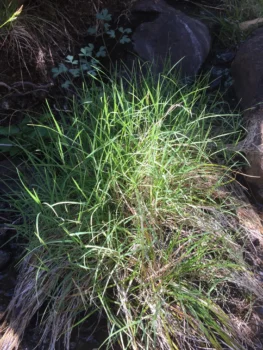
Foxtail Muhly: A Graceful Native Grass for Western Gardens
If you’re looking for a low-maintenance native grass that adds subtle beauty and movement to your landscape, foxtail muhly (Muhlenbergia andina) might just be your new best friend. This charming perennial grass brings an understated elegance to gardens while supporting local ecosystems – and it won’t demand much from you in return.
What Makes Foxtail Muhly Special?
Foxtail muhly is a native North American bunchgrass that forms attractive clumps of fine-textured foliage. What really sets this grass apart is its delicate, feathery seed heads that appear in late summer and fall, creating an almost ethereal quality as they catch the light and sway in the breeze. The plant maintains its graceful form throughout the growing season, making it a reliable performer in the garden.
Where Does It Naturally Grow?
This hardy grass calls a huge swath of western North America home, naturally occurring across an impressive range that includes British Columbia, Manitoba, Arizona, California, Colorado, Saskatchewan, Idaho, Kansas, Montana, Nevada, New Mexico, Oregon, Texas, Utah, Washington, and Wyoming. Its wide native distribution is a testament to its adaptability and resilience.
- Species observed
- No observations
Why Plant Foxtail Muhly in Your Garden?
There are several compelling reasons to consider adding this native grass to your landscape:
- Extremely drought tolerant once established
- Provides habitat structure for beneficial insects and small wildlife
- Excellent for erosion control on slopes
- Adds texture and movement to garden designs
- Requires minimal maintenance
- Hardy across USDA zones 3-8
Perfect Garden Settings
Foxtail muhly shines in several types of garden settings:
- Prairie and meadow gardens: Blends beautifully with native wildflowers
- Xerophytic landscapes: Thrives in low-water garden designs
- Naturalistic plantings: Creates informal, flowing compositions
- Perennial borders: Provides textural contrast as an accent plant
- Restoration projects: Excellent for re-establishing native plant communities
Growing Conditions and Care
One of foxtail muhly’s greatest assets is its adaptability. This grass is remarkably easy-going about its growing conditions:
- Sunlight: Thrives in full sun
- Soil: Adaptable to various soil types, including clay and sandy soils
- Water: Drought tolerant once established; benefits from occasional watering during the first growing season
- Wetland tolerance: Facultative – can handle both wet and dry conditions
Planting and Maintenance Tips
Getting foxtail muhly established in your garden is straightforward:
- Plant in spring after the last frost for best establishment
- Space plants 2-3 feet apart to allow for mature spread
- Water regularly during the first growing season to help roots establish
- Once established, this grass is incredibly low-maintenance
- Cut back to 4-6 inches in late winter before new growth begins
- No fertilization needed – this grass prefers lean soils
Wildlife and Ecosystem Benefits
While foxtail muhly is wind-pollinated rather than relying on insect pollinators, it still provides valuable ecosystem services. The grass structure offers nesting sites and shelter for beneficial insects, and the seeds may provide food for birds. As a native species, it supports the complex web of relationships that sustain healthy local ecosystems.
The Bottom Line
Foxtail muhly represents everything we love about native plants: beauty, resilience, and ecological value wrapped up in one low-maintenance package. Whether you’re creating a water-wise landscape, restoring native habitat, or simply want to add some graceful movement to your garden, this adaptable grass delivers without demanding much in return. For gardeners across its wide native range, foxtail muhly offers an excellent opportunity to grow something truly suited to your local environment.