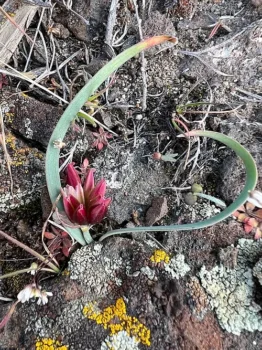
Fragile Onion: A Delicate Pacific Northwest Native Worth Protecting
Meet the fragile onion (Allium scilloides), a charming little native bulb that’s as rare as it is beautiful. This petite member of the onion family brings delicate grace to Pacific Northwest gardens while supporting local ecosystems. But before you rush to plant one, there are some important things every responsible gardener should know about this special species.
What Makes Fragile Onion Special
Also known by its botanical name Allium scilloides, this perennial forb is a true Pacific Northwest treasure. Unlike its more common onion relatives, fragile onion has earned its name through both its delicate appearance and its vulnerable conservation status. The plant produces narrow, grass-like leaves and charming clusters of small pink to white flowers that dance above the foliage on slender stems.
This native species belongs to a group of plants called forbs – essentially flowering plants without woody stems that die back to ground level each year, only to emerge again from their underground bulbs when conditions are right.
Where Fragile Onion Calls Home
Fragile onion is native to the lower 48 states, with its primary documented range in Washington state. This limited distribution makes it a particularly special addition to regional native plant gardens, as it truly represents the unique flora of the Pacific Northwest.
- Species observed
- No observations
A Word of Caution: Rarity Matters
Here’s where responsible gardening comes into play. Fragile onion carries a Global Conservation Status of S2S3, indicating it’s considered rare and potentially vulnerable. This means that while we absolutely encourage growing this beautiful native, it’s crucial to source your plants or bulbs responsibly.
Important: Only purchase fragile onion from reputable native plant nurseries that propagate their own stock. Never collect bulbs from wild populations, as this can harm already fragile ecosystems and contribute to the species’ decline.
Garden Appeal and Design Role
Despite its delicate nature, fragile onion packs a surprising punch in the garden. Growing 6-12 inches tall, this petite beauty works wonderfully in:
- Rock gardens where its small stature won’t be overwhelmed
- Native plant collections celebrating regional flora
- Naturalized meadow areas
- Xerophytic gardens designed for low-water landscapes
- Front borders where its charming flowers can be appreciated up close
The plant’s umbel-shaped flower clusters create lovely textural interest and provide a soft, naturalistic feel that complements other Pacific Northwest natives beautifully.
Supporting Local Wildlife
Like many native alliums, fragile onion serves as a valuable resource for local pollinators. Its flowers attract small native bees and other beneficial insects, making it a wonderful choice for gardeners looking to support regional biodiversity. The timing of its bloom also provides nectar when many other early season flowers may be scarce.
Growing Conditions and Care
Fragile onion is surprisingly adaptable once you understand its preferences. This hardy native thrives in USDA zones 4-8, making it suitable for most Pacific Northwest gardens.
Soil requirements: The key to success is excellent drainage. Think rocky, sandy, or gravelly soils that don’t hold water. Heavy clay soils are typically a no-go unless heavily amended.
Light needs: Full sun to partial shade works well, though morning sun with some afternoon protection can be ideal in hotter locations.
Water needs: Once established, fragile onion is quite drought tolerant. Avoid overwatering, especially during the dormant season.
Planting and Care Tips
Growing fragile onion successfully is all about mimicking its natural habitat:
- Plant timing: Plant bulbs in fall for spring emergence
- Soil prep: Ensure excellent drainage by adding coarse sand, small gravel, or pumice to heavy soils
- Planting depth: Plant bulbs 2-3 times their diameter deep
- Spacing: Allow 4-6 inches between bulbs
- Watering: Water moderately during growing season, reduce significantly after flowering
- Maintenance: Allow foliage to die back naturally to feed the bulb for next year’s growth
The Bottom Line
Fragile onion represents everything wonderful about native gardening – beauty, ecological value, and a connection to place. While its rarity means we must be thoughtful about how we source it, responsible gardeners can absolutely enjoy this Pacific Northwest gem while contributing to its conservation.
By choosing fragile onion for your native garden, you’re not just adding a lovely plant – you’re participating in the preservation of regional biodiversity and creating habitat for local wildlife. Just remember: source responsibly, plant thoughtfully, and enjoy watching this delicate beauty thrive in your garden while supporting the ecosystems that call the Pacific Northwest home.