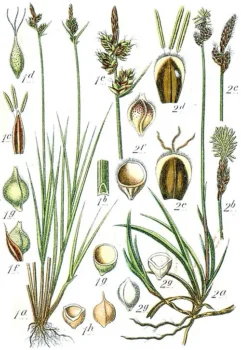
Fragile Sedge: A Hardy Northern Native for Specialized Gardens
If you’re looking for a plant that laughs in the face of frigid temperatures while quietly doing its job in wet spots, meet the fragile sedge (Carex membranacea). Despite its delicate-sounding name, this little northern native is anything but fragile when it comes to surviving harsh conditions.
What is Fragile Sedge?
Fragile sedge is a perennial grass-like plant that belongs to the sedge family. Don’t let the grass-like description fool you into thinking it’s just another lawn alternative – this specialized plant has very particular needs and talents. As a true native of northern North America, it’s perfectly adapted to some of the continent’s most challenging climates.
Where Does Fragile Sedge Call Home?
This hardy little sedge is a true northerner, native to Alaska and Canada. You’ll find it naturally growing across an impressive range that includes British Columbia, Alaska, Quebec, Yukon, Northwest Territories, Nunavut, and Labrador. If you’re keeping track, that’s basically everywhere it gets really, really cold!
- Species observed
- No observations
Why Consider Growing Fragile Sedge?
Here’s the thing about fragile sedge – it’s not going to be the star of your typical suburban garden. But if you have the right conditions and appreciate subtle beauty, it might just be perfect for you.
The Good Reasons:
- Extremely cold hardy (USDA zones 1-4) – perfect for northern gardeners
- Native plant that supports local ecosystems
- Low maintenance once established
- Excellent for wetland restoration projects
- Adds texture and natural appeal to specialized gardens
The Reality Check:
- Very specific growing requirements (needs consistently moist to wet conditions)
- Limited aesthetic appeal compared to showier plants
- Only suitable for specialized garden situations
- May not be readily available at typical garden centers
What Does Fragile Sedge Look Like?
Fragile sedge is definitely on the subtle side of the plant kingdom. It features narrow, grass-like leaves and produces small, inconspicuous brownish flower spikes. This isn’t a plant you grow for bold color or dramatic form – its appeal lies in its quiet contribution to naturalistic landscapes and its ability to thrive where many other plants would struggle.
Perfect Garden Situations for Fragile Sedge
This sedge shines in very specific garden types:
- Bog gardens: Perfect for those challenging wet spots
- Native plant gardens: Especially in northern regions
- Naturalistic wetland areas: Great for restoration projects
- Rain gardens: In appropriate climates
- Specialized collections: For sedge enthusiasts and plant collectors
Growing Conditions: What Fragile Sedge Needs to Thrive
Success with fragile sedge is all about matching its natural habitat:
- Moisture: Consistently moist to wet soil – this is non-negotiable
- Climate: Cool, northern conditions (zones 1-4)
- Light: Partial shade to full sun
- Soil: Adaptable to various soil types as long as they stay moist
Planting and Care Tips
The good news? Once you get the conditions right, fragile sedge is pretty hands-off:
- Plant in spring when soil can be worked
- Ensure consistent moisture – never let it dry out completely
- Minimal fertilization needed (native plants prefer lean conditions)
- Little to no pruning required
- Very few pest or disease issues
Wildlife and Ecosystem Benefits
While fragile sedge might not be a pollinator magnet (sedges are wind-pollinated rather than insect-pollinated), it still plays an important role in northern ecosystems. As a native plant, it provides habitat structure and contributes to the complex web of relationships that make healthy ecosystems function.
Is Fragile Sedge Right for Your Garden?
Be honest with yourself about your garden conditions and goals. Fragile sedge is perfect if you:
- Live in zones 1-4 and have consistently wet areas
- Are creating a naturalistic or native plant garden
- Appreciate subtle, understated plants
- Want extremely low-maintenance plants for challenging spots
- Are working on wetland restoration or conservation projects
However, if you’re looking for colorful flowers, dramatic foliage, or plants for typical garden beds, you’ll want to look elsewhere.
The Bottom Line
Fragile sedge isn’t for every gardener or every garden, but for the right situation, it’s absolutely perfect. This unassuming northern native proves that sometimes the most valuable plants are the ones that quietly do their job without asking for much in return. If you’ve got wet, cold conditions and appreciate the subtle beauty of native plants, fragile sedge might just be the perfect addition to your specialized garden.