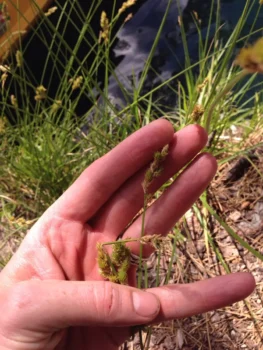
Fragile Sheath Sedge: A Western Native Worth Getting to Know
Meet the fragile sheath sedge (Carex fracta), a charming native perennial that might just be the unsung hero your western garden needs. While it may not have the flashiest name in the plant kingdom, this humble sedge brings authentic regional character and ecological value to landscapes across the American West.
What Is Fragile Sheath Sedge?
Carex fracta is a perennial sedge—part of that wonderful family of grass-like plants that includes sedges, rushes, and true grasses. Don’t let the fragile in its name fool you; this is a hardy native that has been thriving in western landscapes long before any of us started thinking about garden design. As a true native to the lower 48 states, it has deep roots in the ecosystems where it naturally occurs.
Where Does It Call Home?
This western native has claimed its territory across four states: California, Nevada, Oregon, and Washington. It’s perfectly adapted to the unique conditions of the American West, from coastal regions to inland valleys and mountainous areas.
- Species observed
- No observations
Why Consider This Native Sedge?
Here’s where fragile sheath sedge really shines as a garden choice:
- True regional authenticity: As a native species, it supports local ecosystems and wildlife
- Adaptable nature: Its facultative wetland status means it can handle both moist and drier conditions
- Low-maintenance appeal: Once established, native plants typically require less water and care than non-natives
- Year-round presence: As a perennial, it provides consistent structure in your landscape
Garden Roles and Landscape Uses
Fragile sheath sedge works beautifully in several garden situations:
- Native plant gardens: Perfect for creating authentic western landscapes
- Rain gardens: Its facultative wetland status makes it ideal for areas that occasionally collect water
- Naturalistic plantings: Great for meadow-style gardens or prairie restorations
- Transition zones: Excellent for areas between wet and dry garden sections
Growing Conditions and Care
While specific growing requirements for Carex fracta aren’t extensively documented, we can make educated recommendations based on its native habitat and wetland status:
- Moisture: Tolerates both moist and moderately dry conditions—quite the flexible friend
- Climate: Best suited for western climates where it naturally occurs
- Soil: Likely adaptable to various soil types, given its wide geographic range
- Maintenance: Minimal care needed once established, as with most natives
The Honest Truth About Growing This Sedge
Here’s the thing about fragile sheath sedge—it’s one of those native plants that hasn’t received much attention in the horticultural world yet. This means finding detailed growing information can be challenging, and sourcing plants might require some detective work. You’ll want to connect with native plant nurseries in the western states or specialized sedge growers.
The upside? You’ll be growing something truly special and regionally appropriate. Plus, once you get it established, it’s likely to be beautifully low-maintenance, just like many of our best native plants.
Wildlife and Ecological Benefits
While specific wildlife benefits for this particular sedge aren’t well-documented, sedges as a group are ecological powerhouses. They typically provide:
- Seeds for birds and small mammals
- Nesting materials and habitat structure
- Root systems that prevent erosion
- Support for native insect communities
Final Thoughts
Fragile sheath sedge represents something wonderful in the native plant world—an authentic regional species that connects your garden to the broader western landscape. While it might require a bit more effort to source and learn about, the reward is growing something truly native and ecologically valuable.
If you’re passionate about native plants and want to support local ecosystems, this humble sedge deserves a spot on your wish list. Just be prepared to become part of a smaller community of gardeners who appreciate these lesser-known native treasures.