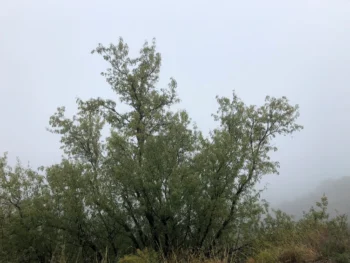
Fragrant Ash: A Hidden Gem for Southwestern Gardens
If you’re looking for a tough, drought-tolerant native shrub that doesn’t skimp on charm, let me introduce you to the fragrant ash (Fraxinus cuspidata). This unassuming member of the ash family might not be the flashiest plant at the garden center, but it’s got some serious staying power and a few delightful surprises up its woody sleeves.
What Makes Fragrant Ash Special?
Also known by its scientific name Fraxinus cuspidata, this perennial shrub is a true southwestern native, calling Arizona, Nevada, New Mexico, and Texas home. As a multi-stemmed woody plant, fragrant ash typically reaches 13 to 16 feet in height, though it can sometimes stretch taller or stay more compact depending on growing conditions.
The fragrant part of its name isn’t just for show – this shrub produces small, sweetly scented white flowers in spring that’ll have you stopping in your tracks during your morning garden stroll. These blooms are followed by compound leaves that put on a lovely yellow show come fall, giving you two seasons of visual interest.
- Species observed
- No observations
Why Your Garden Will Love Fragrant Ash
Here’s where this plant really shines: it’s practically bulletproof once established. Fragrant ash thrives in USDA hardiness zones 7 through 10, making it perfect for much of the Southwest and beyond. It’s the kind of plant that laughs in the face of drought and keeps looking good when other shrubs are throwing in the towel.
The spring flowers aren’t just pretty – they’re also pollinator magnets, attracting bees and other beneficial insects to your garden. This makes fragrant ash an excellent choice for wildlife-friendly landscapes and pollinator gardens.
Perfect Garden Companions
Fragrant ash is a natural fit for:
- Xeriscaped gardens and drought-tolerant landscapes
- Native plant gardens showcasing southwestern flora
- Wildlife and pollinator gardens
- Naturalized areas where you want low-maintenance beauty
- Mixed shrub borders for structure and seasonal interest
Growing Fragrant Ash Successfully
The beauty of fragrant ash lies in its simplicity. This native shrub prefers full sun to partial shade and well-draining soils – pretty much the opposite of high maintenance. Once established, it’s remarkably drought tolerant, making it ideal for water-wise gardening.
Planting and Care Tips
Getting started with fragrant ash is straightforward:
- Timing: Plant in fall or early spring when temperatures are moderate
- Location: Choose a spot with good drainage and plenty of sunlight
- Watering: Provide regular water the first year, then scale back dramatically once established
- Pruning: Trim in late winter if needed to maintain shape or remove dead wood
- Soil: Adapts to various soil types as long as drainage is good
The most common mistake gardeners make with fragrant ash is overwatering. Remember, this is a desert native – it’s built for tough conditions and actually prefers to dry out between waterings once it’s settled in.
Is Fragrant Ash Right for Your Garden?
If you’re gardening in the Southwest and want a reliable, low-maintenance native that supports local wildlife while looking great year-round, fragrant ash deserves serious consideration. It’s not the showiest plant in the world, but sometimes the best garden performers are the quiet achievers that just keep doing their thing, season after season.
Fair warning: fragrant ash won’t give you the dramatic blooms of a rose or the tropical flair of a hibiscus. But if you appreciate subtle beauty, seasonal interest, and plants that work with nature rather than against it, this southwestern native might just become one of your garden favorites.