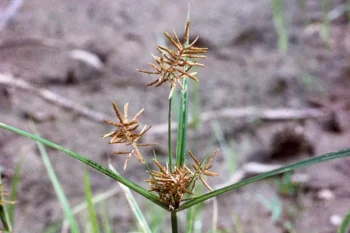
Fragrant Flatsedge: A Humble Native Sedge Worth Knowing
Meet fragrant flatsedge (Cyperus odoratus), a quietly important native sedge that might not win any beauty contests but deserves a spot in the conversation about native gardening. This unassuming grass-like plant has been quietly doing its ecological work across North America for centuries, and it might just be the perfect addition to your wetland garden or restoration project.
What Is Fragrant Flatsedge?
Fragrant flatsedge is a sedge (not technically a grass, despite its grass-like appearance) that belongs to the diverse Cyperaceae family. Don’t let the name fool you—while it’s called fragrant, you won’t be overwhelmed by any particular scent. This hardy plant can live as either an annual or perennial, adapting to local conditions with admirable flexibility.
In some Pacific regions, you might hear it called by its traditional names: keskurabelau or torkltoi in Palau, reflecting its widespread native range that spans continents.
Where Does It Call Home?
Here’s where fragrant flatsedge really shines in the widespread native category. This adaptable sedge is native to an impressive range that includes Canada, the lower 48 United States, Hawaii, Puerto Rico, the U.S. Virgin Islands, and various Pacific Basin islands. You can find it growing naturally in states from Alabama to Wisconsin, from California to Maine, and just about everywhere in between.
- Species observed
- No observations
In New Jersey, there’s a note of caution: Engelmann’s Flat Cyperus odoratus (likely a regional variety) has a rarity status of S2, meaning it’s imperiled in that state. If you’re gardening in New Jersey, make sure any planting material is responsibly sourced.
The Lowdown on Looks
Let’s be honest—fragrant flatsedge won’t stop traffic with its stunning beauty. This modest plant reaches about 2 feet tall and forms clumps of fine-textured, green foliage. In late summer, it produces small, inconspicuous brown flower clusters that develop into black seeds by fall. The plant has an upright, erect growth habit and what botanists call a bunch growth form.
While it may not be a showstopper, fragrant flatsedge has a quiet, naturalistic charm that works beautifully in the right setting.
Perfect Plant Partnerships and Garden Roles
Fragrant flatsedge excels in naturalistic and restoration settings where its ecological value outweighs its modest appearance. Consider it for:
- Wetland restoration projects
- Rain gardens and bioswales
- Pond and stream margins
- Native plant gardens focusing on ecological function
- Areas where you want low-maintenance, water-loving natives
This isn’t the plant for formal gardens or high-visibility ornamental displays, but it’s perfect for those behind-the-scenes areas where you want native plants working hard for local wildlife.
Wildlife Benefits: Small but Meaningful
While fragrant flatsedge won’t single-handedly feed your local wildlife population, it does contribute to the ecosystem in meaningful ways. It provides:
- 5-10% of the diet for small mammals, water birds, and terrestrial birds
- 2-5% of the diet for large animals
- Occasional cover for small mammals and birds (though not extensively)
- Habitat structure in wetland environments
Remember, every native plant contributes to the complex web of relationships that support local wildlife—even the humble ones!
Growing Fragrant Flatsedge Successfully
The good news? Fragrant flatsedge is generally easy to grow if you can meet its basic needs. Here’s what this water-loving native requires:
Water and Soil Needs
This plant is classified as Facultative Wetland in most regions (and Obligate Wetland in the Northcentral & Northeast), meaning it strongly prefers consistently moist to wet conditions. It adapts to coarse and medium-textured soils but struggles in fine, clay-heavy soils.
Light Requirements
Fragrant flatsedge is shade intolerant, meaning it needs full sun to perform its best. Don’t try to tuck it into that shady corner—it won’t thank you.
Climate Considerations
Remarkably adaptable! This plant grows successfully in USDA hardiness zones 3-11, tolerating minimum temperatures down to 42°F and thriving in areas with 80+ frost-free days annually.
Soil Chemistry
Fragrant flatsedge is fairly flexible with soil pH, accepting anything from 5.0 to 8.3. It has medium tolerance for both salinity and calcium carbonate, making it suitable for various soil conditions.
Planting and Care Tips
Getting started with fragrant flatsedge is straightforward:
- Propagation: This plant spreads primarily by sprigs rather than seed, though seeds are moderately abundant and persistent
- Planting density: Allow 3,450-4,800 plants per acre for restoration projects
- Establishment: Seedlings show high vigor once established
- Maintenance: Very low maintenance once established—just ensure consistent moisture
- Growth rate: Expect moderate growth with active growing periods in summer and fall
The Bottom Line: Should You Plant It?
Fragrant flatsedge occupies an interesting niche in the native plant world. It’s not going to be the star of your garden, but if you have wet areas where you want low-maintenance native plants that support local wildlife, it’s worth considering. This plant particularly shines in:
- Restoration and naturalization projects
- Rain gardens and other stormwater management areas
- Edges of ponds or streams
- Any spot where you need a reliable native that thrives in wet conditions
Just remember: if you’re in New Jersey, source your plants responsibly due to the local rarity status. And if you’re looking for dramatic ornamental impact, you might want to pair fragrant flatsedge with showier native companions.
Sometimes the most valuable plants are the quiet workers—and fragrant flatsedge definitely fits that bill. It may not demand attention, but it’s steadily contributing to healthier, more diverse native plant communities across the continent.