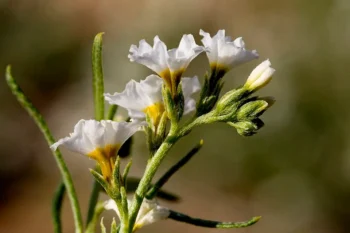
Fragrant Heliotrope: A Sweet-Scented Native for Southwestern Gardens
If you’re looking for a charming native plant that brings both fragrance and pollinator appeal to your garden, fragrant heliotrope (Heliotropium greggii) might just be your new best friend. This delightful perennial forb proves that good things really do come in small packages – and with an absolutely heavenly scent to boot!
What Makes Fragrant Heliotrope Special?
Fragrant heliotrope is a true southwestern native, naturally occurring in New Mexico and Texas. As a perennial forb, it lacks the woody stems of shrubs and trees but returns year after year to grace your garden with its presence. What sets this little charmer apart is its incredible fragrance – those tiny white to pale purple flowers pack a seriously sweet punch that’ll have you (and the pollinators) coming back for more.
- Species observed
- No observations
Garden Appeal and Design Uses
Don’t let its modest size fool you – fragrant heliotrope is a hardworking addition to any native garden. Its low-growing, spreading habit makes it perfect for:
- Ground cover in xeriscaped areas
- Rock garden specimens
- Drought-tolerant border plantings
- Native plant gardens
- Desert landscape designs
The gray-green foliage provides a lovely backdrop for the clusters of small, fragrant flowers that appear in coiled arrangements – a distinctive feature that makes this plant instantly recognizable.
Pollinator Paradise
Here’s where fragrant heliotrope really shines: it’s a pollinator magnet! Those sweetly scented blooms attract butterflies, bees, and other small pollinators who can’t resist the floral buffet. If you’re working on creating a pollinator-friendly garden, this native should definitely be on your list.
Growing Conditions and Care
One of the best things about fragrant heliotrope is how easy-going it is. This plant thrives in:
- Sunlight: Full sun conditions
- Soil: Well-draining soil, even alkaline conditions
- Water: Drought tolerant once established
- Climate: USDA hardiness zones 8-10
The wetland status varies by region – in the Arid West and Western Mountains regions, it’s facultative (can grow in wet or dry conditions), while in the Great Plains, it’s facultative wetland (usually prefers wetter conditions but adapts to drier sites).
Planting and Care Tips
Getting started with fragrant heliotrope is refreshingly straightforward:
- Plant in spring after the last frost
- Choose a sunny location with good drainage
- Water regularly during establishment, then reduce frequency
- Once established, this plant is quite drought tolerant
- Trim back after flowering to maintain shape
- Watch for self-seeding – it may spread naturally in favorable conditions
Why Choose Fragrant Heliotrope?
If you’re a gardener who loves native plants, appreciates low-maintenance options, and wants to support local wildlife, fragrant heliotrope checks all the boxes. It’s perfectly adapted to southwestern conditions, requires minimal care once established, and provides valuable resources for pollinators. Plus, that amazing fragrance is just the cherry on top!
While it may not be the showiest plant in your garden, fragrant heliotrope proves that sometimes the most rewarding plants are the ones that quietly do their job while filling the air with sweetness. Your nose – and the local butterflies – will thank you.