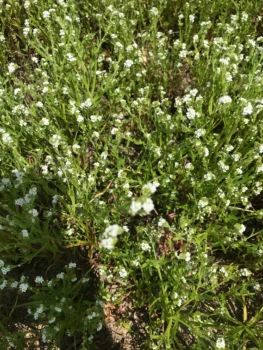
Fragrant Popcornflower: A Delicate Annual for Wet Spots in Your Garden
If you’re looking for a charming little wildflower that thrives in those soggy spots where other plants fear to tread, meet the fragrant popcornflower (Plagiobothrys figuratus). This dainty annual might not win any showiest flower contests, but it brings its own quiet beauty to wetland gardens and naturalized landscapes across much of North America.
What Is Fragrant Popcornflower?
Fragrant popcornflower is an annual forb—basically a soft-stemmed herbaceous plant that completes its entire life cycle in one growing season. Like other members of the popcornflower family, it produces clusters of tiny white flowers that some say resemble little kernels of popped corn (hence the charming common name). Don’t expect towering heights from this modest beauty; it stays relatively low to the ground as a typical forb.
Where Does It Grow Naturally?
This plant has an interesting native story. Fragrant popcornflower is native to Canada and the lower 48 states, though it’s considered non-native in Alaska where it has naturalized. You’ll find it growing wild across a diverse range of states including British Columbia, Arkansas, Illinois, Louisiana, Michigan, North Carolina, Oregon, and Washington—quite the geographic spread!
- Species observed
- No observations
The Wetland Connection
Here’s where things get really interesting: fragrant popcornflower has different relationships with water depending on where you are. In some regions like Alaska and the Arid West, it’s considered a facultative wetland plant—meaning it usually prefers wet spots but can tolerate drier conditions. However, in areas like the Atlantic and Gulf Coastal Plain, Eastern Mountains, Midwest, and Northcentral regions, it’s classified as an obligate wetland plant, meaning it almost always needs consistently moist or wet conditions to thrive.
Should You Plant Fragrant Popcornflower?
The answer depends on what you’re trying to achieve and where you live:
- Perfect for wetland gardens: If you have a rain garden, pond edge, or consistently moist area, this could be a great choice
- Native plant gardens: In most of its range, it supports local ecosystems as a native species
- Low-maintenance option: As an annual, it will reseed itself in favorable conditions
- Pollinator support: Small native bees and other beneficial insects appreciate the modest flowers
Growing Fragrant Popcornflower Successfully
Since specific growing information for this species is limited, here are some general guidelines based on its wetland preferences:
- Moisture is key: Given its wetland status, consistent moisture is essential
- Sun requirements: Most popcornflowers prefer partial shade to full sun
- Soil type: Likely prefers rich, organic soils that retain moisture
- Seeding: As an annual, direct seeding in fall is typically most successful
- Hardiness: Given its wide distribution, it likely adapts to various climate zones
Things to Consider
While fragrant popcornflower can be a lovely addition to the right garden, there are a few things to keep in mind:
- Its annual nature means it won’t provide permanent structure to your landscape
- In areas where it’s non-native (like Alaska), consider native alternatives first
- Limited availability in nurseries may mean you’ll need to source seeds from specialty native plant suppliers
Native Alternatives to Consider
If you love the idea of small, delicate wildflowers for wet areas but want to stick with species native to your specific region, consider researching other native Plagiobothrys species or similar small-flowered wetland plants native to your area. Your local native plant society or extension office can provide recommendations perfectly suited to your specific location.
The Bottom Line
Fragrant popcornflower won’t be the star of your garden, but it can play a valuable supporting role in the right conditions. If you have consistently moist soil and appreciate subtle beauty over flashy displays, this modest annual might just find a happy home in your landscape. Just remember—successful gardening is all about matching the right plant to the right place, and for fragrant popcornflower, that place is definitely on the wet side!