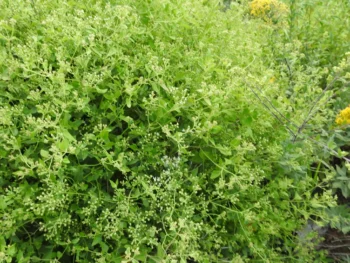
Fragrant Snakeroot: A Late-Season Native Gem for Water-Wise Gardens
If you’re looking for a tough, drought-tolerant native that brings pollinators to your garden when many other flowers have called it quits for the season, fragrant snakeroot (Ageratina herbacea) might just be your new best friend. This unassuming perennial may not win any beauty contests in spring, but come late summer and fall, it transforms into a cloud of tiny white flowers that butterflies simply can’t resist.
What Is Fragrant Snakeroot?
Fragrant snakeroot is a native perennial herb that belongs to the sunflower family. As a forb (basically a fancy term for a non-woody flowering plant), it lacks the thick, woody stems of shrubs and trees, instead growing from ground-level buds that help it survive harsh winters. Don’t let the snakeroot name worry you—it’s perfectly harmless and gets its name from historical medicinal uses, not any association with actual snakes!
This hardy native was formerly known by botanists as Eupatorium herbaceum, so you might still find it listed under that name in older gardening resources.
Where Does It Call Home?
Fragrant snakeroot is a true child of the American Southwest, naturally occurring across seven western states: Arizona, California, Colorado, Nevada, New Mexico, Texas, and Utah. This wide distribution across diverse landscapes—from desert margins to mountain foothills—speaks to its remarkable adaptability.
- Species observed
- No observations
Why Grow Fragrant Snakeroot?
Here’s where this humble plant really shines:
- Late-season bloomer: When most flowers are fading, fragrant snakeroot is just getting started, providing crucial nectar for migrating butterflies and other pollinators
- Drought champion: Once established, it thrives with minimal water—perfect for xeriscapes and water-wise gardens
- Native heritage: Supporting local ecosystems by choosing plants that evolved in your region
- Low maintenance: This is a plant it and forget it kind of perennial
- Aromatic foliage: The leaves release a pleasant fragrance when brushed against
Garden Design Ideas
Fragrant snakeroot works beautifully in several garden styles:
- Native plant gardens: Pair with other southwestern natives like desert marigold and brittlebush
- Xeriscapes: Perfect for those low-water landscape designs
- Wildflower meadows: Let it naturalize in informal areas
- Pollinator gardens: Essential for late-season butterfly and bee activity
Growing Conditions
This adaptable native is refreshingly easy to please:
- Sunlight: Full sun to partial shade (though it blooms best with plenty of sun)
- Soil: Well-draining soil is key—it won’t tolerate soggy conditions
- Water: Drought tolerant once established; occasional deep watering during extreme drought
- Hardiness: Thrives in USDA zones 4-9
Planting and Care Tips
Getting started with fragrant snakeroot couldn’t be simpler:
- When to plant: Spring or fall are ideal planting times
- Spacing: Give plants room to spread—they’ll naturally form small colonies over time
- Watering: Water regularly the first year to establish roots, then back off to occasional deep drinks
- Fertilizing: Skip it! Native plants prefer lean soils and too much fertilizer can make them leggy
- Pruning: Cut back in late winter or early spring, or leave seed heads for winter interest and bird food
Potential Drawbacks
Every plant has its quirks, and fragrant snakeroot is no exception:
- It may self-seed enthusiastically if conditions are right (though many gardeners consider this a bonus!)
- The plant can look a bit scraggly during its off-season
- Late blooming means you’ll wait most of the growing season for flowers
The Bottom Line
If you garden in the southwestern United States and want a truly native plant that supports local wildlife while requiring minimal fuss, fragrant snakeroot deserves a spot in your landscape. It’s particularly valuable for gardeners committed to water-wise gardening and those who want to provide late-season resources for pollinators. While it may not be the showiest plant in your garden, its ecological benefits and easy-care nature make it a worthy addition to any native plant collection.
Just remember: the best gardens aren’t always about constant color and drama. Sometimes the most valuable plants are the quiet workhorses that support the ecosystem while asking for very little in return. Fragrant snakeroot is definitely one of those garden heroes.