Fragrant Spikesedge: A Subtle Native Sedge for Wet Gardens
If you’re looking for a low-key, reliable ground cover for those soggy spots in your garden, fragrant spikesedge (Kyllinga odorata) might just be your new best friend. This unassuming little sedge won’t win any beauty contests, but it’s got some serious staying power in challenging wet conditions where other plants throw in the towel.
What Is Fragrant Spikesedge?
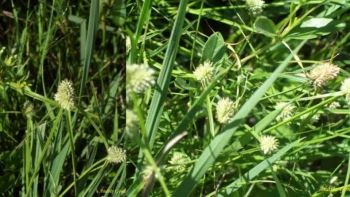
Fragrant spikesedge is a grass-like perennial sedge that belongs to the sedge family (Cyperaceae). Don’t let the name fool you though – while it’s called fragrant, you’ll need to get pretty close to notice any scent. This plant is more about function than fragrance, forming dense, low-growing patches of narrow green leaves topped with small, rounded flower heads that range from greenish-brown to yellowish.
You might also see this plant listed under its botanical synonyms, including Cyperus sesquiflorus or Kyllinga sesquiflora, but they’re all referring to the same humble sedge.
Where Does It Call Home?
This sedge is a true American native, naturally occurring across the southeastern United States. You’ll find it growing wild from North Carolina down through Florida and west to Texas, with populations also thriving in Puerto Rico and the U.S. Virgin Islands. Specifically, it’s documented in Alabama, Arkansas, Florida, Georgia, Louisiana, Mississippi, New Mexico, North Carolina, Oklahoma, South Carolina, and Texas.
- Species observed
- No observations
Why Consider Fragrant Spikesedge?
Here’s where this little sedge really shines – it’s incredibly adaptable to wet conditions. Classified as a Facultative Wetland plant across all regions where it grows, fragrant spikesedge usually occurs in wetlands but can handle some non-wetland conditions too. This makes it perfect for:
- Rain gardens and bioswales
- Pond and water garden margins
- Naturalized wetland areas
- Erosion control on wet slopes
- Problem spots that stay consistently moist
While it won’t provide the showy blooms of more ornamental plants, fragrant spikesedge offers valuable texture and year-round structure in challenging growing conditions. It’s also a great choice for low-maintenance, naturalized landscapes where you want something that will just do its job without fuss.
Growing Fragrant Spikesedge Successfully
The beauty of this sedge lies in its simplicity. Here’s what you need to know:
Climate and Hardiness
Fragrant spikesedge thrives in USDA hardiness zones 8-11, which aligns perfectly with its native southeastern range. If you’re gardening in these zones, you’re in luck!
Growing Conditions
This sedge is all about the moisture. It prefers:
- Consistently moist to wet soil
- Full sun to partial shade (though it’s quite adaptable)
- Various soil types, as long as they retain moisture
- Areas that may experience seasonal flooding
Planting and Care
Once you’ve found the right spot, fragrant spikesedge is remarkably low-maintenance:
- Plant in spring when soil temperatures warm up
- Space plants according to how quickly you want coverage
- Water regularly until established, then let nature take over
- Minimal fertilization needed – it’s adapted to lean wetland soils
- May self-seed readily, so plan accordingly
What About Wildlife?
While fragrant spikesedge isn’t a pollinator magnet (it’s wind-pollinated, after all), it does provide habitat and cover for small wildlife in wetland areas. The dense growth can offer nesting sites for ground-dwelling creatures and the seeds may provide food for some bird species.
Is Fragrant Spikesedge Right for Your Garden?
This sedge is perfect if you:
- Have consistently wet or boggy areas in your landscape
- Want a low-maintenance, native ground cover
- Are creating rain gardens or naturalized wetland areas
- Need erosion control in moist conditions
- Prefer subtle, textural plants over showy bloomers
However, you might want to skip fragrant spikesedge if you’re looking for dramatic flowers, need a plant for dry conditions, or want something that stays perfectly contained – remember, it can self-seed.
In the right setting, fragrant spikesedge is a reliable, native choice that will quietly do its job year after year, proving that sometimes the most unassuming plants make the biggest difference in our gardens.