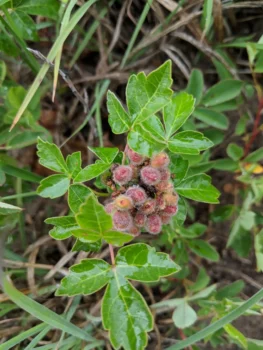
Fragrant Sumac: A Hidden Gem for Native Plant Gardens
If you’re looking for a tough, low-maintenance native shrub that packs a punch in both spring and fall, let me introduce you to fragrant sumac (Rhus aromatica var. arenaria). This hardy perennial shrub might not be the showiest plant in the garden center, but it’s exactly the kind of reliable, wildlife-friendly native that every gardener should know about.
What Makes Fragrant Sumac Special?
Fragrant sumac is a multi-stemmed woody shrub that typically stays under 13-16 feet tall, making it perfect for smaller spaces or as an understory plant. Don’t let the name fool you – while the crushed leaves do have a distinctive scent, it’s the plant’s ecological value and autumn display that really shine.
This variety is native to the lower 48 states, with a specific distribution in Illinois, Indiana, and Ohio. It’s a true Great Lakes region native that has adapted perfectly to the challenging growing conditions of the Midwest.
- Species observed
- No observations
Why Your Garden (and Local Wildlife) Will Love It
Here’s where fragrant sumac really earns its keep in the garden:
- Early pollinator support: Small yellow flowers appear in early spring before the leaves emerge, providing crucial nectar for native bees and other pollinators when few other sources are available
- Fall drama: The trifoliate leaves put on a spectacular show, turning brilliant orange-red in autumn
- Wildlife food: Small red berries feed birds and other wildlife throughout fall and winter
- Erosion control: Spreads by underground rhizomes, making it excellent for stabilizing slopes and problem areas
Where Does Fragrant Sumac Fit in Your Landscape?
This adaptable shrub works beautifully in several garden settings:
- Native plant gardens and prairie restorations
- Naturalized areas where you want low-maintenance groundcover
- Erosion-prone slopes and banks
- Wildlife habitat gardens
- As an understory plant in woodland edges
Growing Fragrant Sumac Successfully
Hardiness: USDA zones 3-8 (perfect for most of the Midwest and northern regions)
Light requirements: Full sun to partial shade – quite adaptable to different light conditions
Soil preferences: Well-draining sandy or rocky soils are ideal, but it’s quite tolerant of various soil types
Water needs: Drought tolerant once established, making it perfect for low-maintenance landscapes
Planting and Care Tips
- Best planting time: Spring or fall when temperatures are moderate
- Spacing: Allow room for spread – remember, this plant naturalizes through underground rhizomes
- Maintenance: Practically none once established – just occasional pruning if you need to control spread
- Propagation: Can be divided in early spring or fall
Important Conservation Note
Fragrant sumac var. arenaria has a conservation status of S5T3Q, indicating some level of conservation concern. This makes it all the more important to include in our gardens! However, please ensure you source your plants from reputable native plant nurseries that grow from ethically collected seed rather than wild-harvesting plants.
The Bottom Line
Fragrant sumac might not win any flashy flower contests, but it’s exactly the kind of steady, reliable native that forms the backbone of a successful wildlife garden. It asks for very little, gives back tremendously to local ecosystems, and provides year-round interest with its spring flowers, summer foliage, and spectacular fall color.
If you’re building a native plant garden, restoring a prairie area, or just want a low-maintenance shrub that supports local wildlife, fragrant sumac deserves a spot on your planting list. Your local pollinators – and your future self who appreciates low-maintenance plants – will thank you.