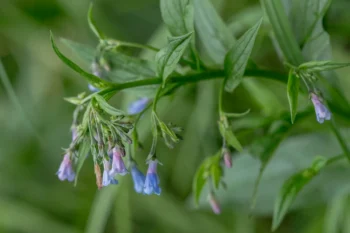
Franciscan Bluebells: A Charming Native Wildflower for Water-Loving Gardens
If you’re looking to add some early spring color to your wetland garden or that perpetually soggy spot in your yard, meet Franciscan bluebells (Mertensia franciscana). This delightful native perennial might just be the perfect solution for those tricky wet areas where other plants fear to tread!
What Are Franciscan Bluebells?
Franciscan bluebells are native wildflowers that belong to the borage family. As a perennial forb, this plant lacks woody stems but returns year after year with its charming bell-shaped flowers. The plant produces clusters of small, drooping blue flowers that dangle like tiny bells – hence the common name. These blooms appear in early spring, often when the landscape is still awakening from winter’s slumber.
The soft, gray-green foliage provides a lovely backdrop for the delicate blue flowers, creating an almost ethereal appearance in the garden. Don’t expect a towering specimen though – this is a low-growing plant that works better as a groundcover or accent rather than a dramatic focal point.
Where Does It Come From?
This beautiful native plant calls the western United States home, naturally occurring across Arizona, California, Colorado, Nevada, New Mexico, and Utah. As a true native species, it’s perfectly adapted to the growing conditions found in these regions and plays an important role in local ecosystems.
- Species observed
- No observations
Why Gardeners Love (and Sometimes Struggle With) Franciscan Bluebells
Here’s the thing about Franciscan bluebells – they’re absolutely lovely, but they’re also quite particular about their growing conditions. Let’s break down the pros and cons:
The Good Stuff:
- Native plant that supports local ecosystems
- Early spring blooms provide nectar when pollinators need it most
- Perfect for challenging wet spots in the garden
- Low-maintenance once established in the right conditions
- Attracts bees and other beneficial pollinators
The Challenges:
- Very specific moisture requirements – needs consistently wet to moist soil
- May go dormant during hot, dry summer months
- Not suitable for traditional garden beds with average drainage
- Limited availability in nurseries
Growing Conditions and Care
If you’re thinking about adding Franciscan bluebells to your garden, you’ll need to create the right environment. This plant is classified as an obligate wetland species in arid regions and facultative wetland elsewhere, which means it really, really likes water.
Ideal Growing Conditions:
- Moisture: Consistently moist to wet soil – think bog garden conditions
- Light: Partial shade to full sun (partial shade in hotter climates)
- Soil: Prefers neutral to slightly alkaline soil
- Hardiness: Suitable for USDA zones 4-8
- Drainage: Poor drainage is actually preferred!
Perfect Garden Settings
Franciscan bluebells aren’t meant for your typical perennial border. Instead, consider these ideal locations:
- Rain gardens and bioswales
- Bog gardens or wetland plantings
- Edges of ponds or water features
- Naturalized areas with seasonal flooding
- That low spot in your yard that never seems to dry out
Planting and Care Tips
Getting Franciscan bluebells established requires some patience and the right approach:
Planting:
- Plant in early spring when soil is naturally moist
- Choose the wettest spot in your garden
- Amend clay soils with organic matter to improve structure while maintaining moisture retention
- Space plants according to mature size (specific measurements vary)
Ongoing Care:
- Keep soil consistently moist – never let it dry out completely
- Mulch around plants to help retain moisture
- Don’t panic if plants go dormant during hot summer months
- Minimal fertilization needed – these plants prefer lean conditions
- Allow natural reseeding for a more naturalized look
Supporting Pollinators and Wildlife
One of the best reasons to grow Franciscan bluebells is their value to local wildlife. The early spring flowers provide crucial nectar sources for bees and other pollinators when few other plants are blooming. This timing makes them particularly valuable in supporting pollinator populations during a critical period.
Is This Plant Right for Your Garden?
Franciscan bluebells are perfect for gardeners who:
- Have consistently wet or boggy areas to plant
- Want to create wildlife-friendly native plant gardens
- Appreciate subtle, delicate beauty over bold statement plants
- Live within the plant’s natural range
- Enjoy early spring wildflowers
However, skip this plant if you:
- Have only well-drained garden beds
- Can’t provide consistent moisture
- Want year-round foliage and flowers
- Prefer low-maintenance plants that tolerate neglect
The Bottom Line
Franciscan bluebells are a wonderful choice for the right garden situation. If you have a wet spot that’s been challenging to plant and you live within this plant’s native range, these charming spring bloomers could be exactly what you need. Just remember – success with this plant is all about location, location, location. Give it the boggy conditions it craves, and you’ll be rewarded with delicate spring beauty that supports local pollinators and celebrates your region’s native flora.