Fraser Fir: A Rare Mountain Jewel for Your Garden
If you’re looking for a truly special evergreen that screams I’m from the mountains, meet the Fraser fir. This gorgeous native conifer isn’t just any Christmas tree – it’s a rare gem that calls the high peaks of the southern Appalachians home. But before you rush out to plant one, there are some important things you need to know about this imperiled beauty.
What Makes Fraser Fir Special
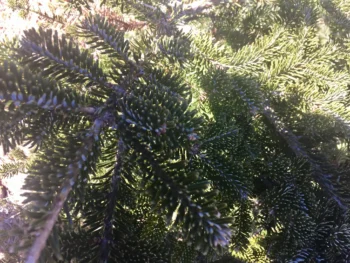
The Fraser fir (botanically known as Abies fraseri) is a stunning evergreen tree that naturally grows in a classic Christmas tree shape. Its dark green needles have silvery undersides that catch the light beautifully, and it produces eye-catching purple cones that mature to brown. This single-stemmed tree typically reaches about 55 feet at maturity, though it grows at a moderate pace – expect about 20 feet after 20 years.
What really sets this tree apart is its incredible rarity. Fraser fir has a Global Conservation Status of S2, meaning it’s imperiled with typically only 6 to 20 occurrences and between 1,000 to 3,000 remaining individuals in the wild. This makes it one of the rarest conifers in North America.
Where Fraser Fir Calls Home
This native beauty has a very limited natural range, growing only in the high-elevation mountains of Georgia, North Carolina, Tennessee, and Virginia. Think Great Smoky Mountains and similar southern Appalachian peaks – that’s where you’ll find wild Fraser firs clinging to life in their preferred cool, misty mountain environment.
- Species observed
- No observations
The Rarity Reality Check
Important: Because Fraser fir is so rare in the wild, if you decide to plant one, please make sure you source it from a reputable nursery that uses responsibly propagated material. Never dig plants from the wild, and always verify that your nursery isn’t contributing to the depletion of wild populations.
Growing Fraser Fir Successfully
Here’s the thing about Fraser firs – they’re mountain divas with very specific needs. If you can meet those needs, you’ll have a spectacular tree. If not, you’ll likely face disappointment.
Climate Requirements
- USDA Hardiness Zones: 4-7 (can handle temperatures down to -23°F)
- Elevation preference: Naturally grows at high elevations with cool summers
- Frost-free days: Minimum of 90 days
- Precipitation: Needs 45-100 inches annually
Soil Preferences
- pH: Strongly acidic (3.5-5.5) – this tree loves sour soil
- Texture: Coarse to medium-textured soils work best
- Drainage: Well-draining but consistently moist
- Fertility: Actually prefers low-fertility conditions
Light and Water Needs
- Sun tolerance: Very shade tolerant – can handle partial shade well
- Drought tolerance: Low – needs consistent moisture
- Moisture use: Medium water requirements
Landscape Role and Design Ideas
Fraser fir makes an absolutely stunning specimen tree, especially in mountain-style landscapes or naturalized woodland gardens. Its pyramidal form and moderate growth rate make it perfect as a focal point tree. It’s also excellent for creating windbreaks or privacy screens, though remember it grows slowly.
This tree shines in:
- Mountain and alpine-style gardens
- Cool climate landscapes
- Naturalized woodland settings
- As a specimen tree in larger yards
- Christmas tree farms (though harvest defeats conservation purposes)
Planting and Care Tips
Success with Fraser fir comes down to mimicking its mountain home:
- Timing: Plant in spring or early fall
- Location: Choose a spot with afternoon shade, especially in warmer zones
- Spacing: Allow 435-1200 trees per acre if mass planting
- Mulching: Keep roots cool and moist with organic mulch
- Watering: Maintain consistent moisture, especially during dry spells
- Fertilizing: Generally unnecessary – this tree prefers lean conditions
Propagation Possibilities
Fraser fir can be propagated by seed, cuttings, or purchased as bare root or container plants. Seeds are abundant but germinate slowly. If you’re interested in propagation, know that seedling vigor is medium and growth is moderate.
Wildlife and Ecological Benefits
As a native conifer, Fraser fir provides important habitat for mountain wildlife, though specific wildlife benefit data is limited. The tree’s dense foliage offers nesting sites and shelter, while its seeds provide food for various mountain birds and small mammals.
The Bottom Line
Fraser fir is a spectacular native tree that deserves a place in appropriate gardens, but it’s definitely not for everyone. If you live in a hot, dry climate or can’t provide the cool, moist conditions this mountain native craves, you’ll likely struggle with it. However, if you’re in the right climate zone and can meet its needs, you’ll be rewarded with one of the most beautiful and rare native conifers in North America.
Just remember: if you choose to plant Fraser fir, you’re not just adding a tree to your landscape – you’re helping preserve a truly rare piece of American natural heritage. Make sure your nursery sources are responsible, and enjoy this mountain treasure responsibly.