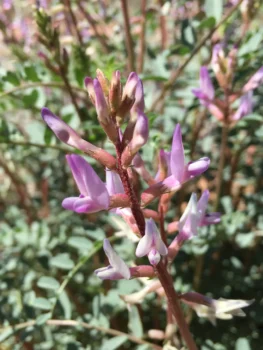
Freckled Milkvetch: A Lesser-Known Native Gem for Southwestern Gardens
If you’re passionate about native plants and love discovering hidden botanical treasures, freckled milkvetch (Astragalus lentiginosus var. palans) might just pique your interest. This biennial member of the legume family represents one of nature’s more specialized offerings for gardeners in the American Southwest.
Meet the Freckled Milkvetch
Freckled milkvetch is a native plant species that calls the lower 48 states home, though it has a rather exclusive address. You’ll find this particular variety naturally growing in just three states: Arizona, Colorado, and Utah. Like many members of the Astragalus genus, it’s also known by a few scientific aliases, including Astragalus bryantii and Astragalus lentiginosus var. ursinus.
- Species observed
- No observations
What Makes This Plant Special?
As a biennial, freckled milkvetch follows a two-year life cycle that adds an element of patience to native gardening. The first year is devoted to establishing roots and foliage, while the second year brings flowers and seeds before the plant completes its natural cycle.
Being a legume, this plant likely shares the family trait of fixing nitrogen in the soil through a symbiotic relationship with beneficial bacteria. This makes it not just a beautiful addition to native landscapes, but potentially a soil-improving one as well.
Should You Grow Freckled Milkvetch?
Here’s where things get interesting – and a bit challenging. While freckled milkvetch is undoubtedly a legitimate native choice for gardeners in Arizona, Colorado, and Utah, detailed cultivation information is surprisingly scarce. This rarity in horticultural literature suggests a few possibilities:
- It may have very specific growing requirements that make cultivation tricky
- It might be naturally uncommon, even within its native range
- Commercial seed or plant availability could be extremely limited
- It may simply be an understudied member of the native plant community
Growing Conditions and Care
Based on its natural distribution across the arid and semi-arid regions of the Southwest, freckled milkvetch likely prefers:
- Well-draining soils
- Full sun to partial shade
- Low to moderate water requirements once established
- Rocky or gravelly soil conditions typical of its native habitat
However, specific USDA hardiness zones, detailed planting instructions, and care requirements remain largely undocumented in readily available horticultural sources.
The Bottom Line for Gardeners
Freckled milkvetch presents an intriguing paradox for native plant enthusiasts. On one hand, it’s a legitimate native species that could theoretically support local ecosystems and provide authentic regional character to southwestern gardens. On the other hand, the lack of cultivation information and apparent rarity in horticultural trade make it a challenging choice for most home gardeners.
If you’re determined to include this plant in your native landscape, your best bet would be to:
- Contact local native plant societies in Arizona, Colorado, or Utah
- Reach out to botanical gardens or universities in these states
- Connect with specialized native seed companies that focus on regional flora
- Consider participating in native plant rescue or seed collection programs
For most gardeners seeking reliable native alternatives with similar characteristics, consider exploring other Astragalus species or native legumes that are more readily available and have established cultivation practices. Your local native plant society can be an invaluable resource for identifying suitable alternatives that will thrive in your specific location while supporting local wildlife and ecosystems.
Sometimes the most fascinating native plants are also the most elusive – and freckled milkvetch certainly fits that description!