Fremon’s Bushmallow: A California Native Worth Growing Responsibly
If you’re looking to add a touch of California’s wild beauty to your garden while supporting local wildlife, Fremon’s bushmallow might just be the perfect shrub for you. This charming native, scientifically known as Malacothamnus fremontii, brings soft textures, lovely blooms, and important ecological benefits to drought-tolerant landscapes.
What Makes Fremon’s Bushmallow Special
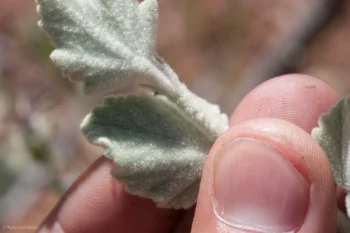
Fremon’s bushmallow is a perennial shrub that typically grows 4-6 feet tall and wide, creating a lovely rounded form in the landscape. What really sets this plant apart is its gorgeous soft, velvety gray-green foliage that feels almost like velvet to the touch. From late spring through summer, the shrub produces clusters of delicate pink to lavender flowers that look remarkably similar to small hibiscus blooms – and for good reason, since they’re in the same plant family!
Where It Calls Home
This beautiful shrub is a true California native, naturally found in the chaparral and coastal sage scrub communities of Southern California. It’s perfectly adapted to the region’s Mediterranean climate and can be found growing wild in areas with well-draining soils and plenty of sunshine.
- Species observed
- No observations
Important Conservation Considerations
Here’s something crucial to know before you rush out to plant Fremon’s bushmallow: this species has a conservation status that means its populations may be at risk. If you decide to grow this lovely native, please make sure you source your plants from reputable native plant nurseries that propagate their stock responsibly rather than collecting from wild populations. This way, you can enjoy this beautiful shrub while helping protect wild populations.
Why Your Garden (and Local Wildlife) Will Love It
Fremon’s bushmallow is a pollinator magnet! Its charming flowers attract native bees, butterflies, and other beneficial insects, making it an excellent choice for wildlife-friendly gardens. The plant’s long blooming season means it provides nectar throughout much of the growing season, offering reliable food sources for pollinators when they need it most.
From a design perspective, this shrub works beautifully as:
- A specimen plant in Mediterranean-style gardens
- Background planting in mixed native borders
- Structural element in drought-tolerant landscapes
- Focal point in coastal or naturalistic gardens
Growing Conditions and Care
One of the best things about Fremon’s bushmallow is how easy-going it is once established. This shrub thrives in USDA zones 9-11 and prefers:
- Full sun exposure (at least 6 hours of direct sunlight daily)
- Well-draining soil – it absolutely hates soggy feet
- Minimal water once established (perfect for water-wise gardens)
- Good air circulation
Planting and Care Tips
For the best results with your Fremon’s bushmallow, plant it in fall when temperatures are cooling but the soil is still warm. This gives the roots time to establish before the next growing season. Water regularly during the first year to help it get established, then gradually reduce watering – mature plants are quite drought tolerant.
Pruning is minimal with this low-maintenance shrub. You can lightly prune after flowering to maintain shape, but it’s not strictly necessary. The plant has a naturally attractive form that looks great with minimal intervention.
Is Fremon’s Bushmallow Right for Your Garden?
If you live in Southern California and want to create a beautiful, water-wise garden that supports local wildlife, Fremon’s bushmallow could be a wonderful addition. Its soft textures, pretty flowers, and ecological benefits make it a standout choice for native plant gardens, Mediterranean landscapes, and pollinator-friendly spaces.
Just remember to source your plants responsibly from reputable native plant nurseries, and you’ll be able to enjoy this lovely California native while doing your part to protect its wild populations. Your garden – and the local bees and butterflies – will thank you!