Fremont’s Goosefoot: A Hardy Native Annual for Low-Maintenance Gardens
If you’re looking for a tough-as-nails native plant that practically grows itself, let me introduce you to Fremont’s goosefoot (Chenopodium fremontii). This unassuming annual might not win any beauty contests, but it’s got character and some seriously impressive survival skills that make it worth considering for your native garden.
What is Fremont’s Goosefoot?
Fremont’s goosefoot is a native North American annual herb that belongs to the amaranth family. As a forb, it’s an herbaceous plant without any woody tissue, growing fresh from seed each year. Don’t let its humble appearance fool you – this little plant is a survivor that’s been thriving across diverse landscapes for thousands of years.
Where Does It Call Home?
This adaptable native has quite the impressive range! Fremont’s goosefoot is native to both Canada and the lower 48 states, spreading its roots (literally) across a remarkable variety of climates and conditions. You’ll find it growing naturally in Alberta, British Columbia, Manitoba, Saskatchewan, and then down through Arizona, California, Colorado, Idaho, Kansas, Montana, Nebraska, Nevada, New Mexico, New York, North Dakota, Oregon, South Carolina, South Dakota, Texas, Utah, Washington, and Wyoming.
- Species observed
- No observations
Talk about a plant that gets around! This extensive distribution tells us something important: Chenopodium fremontii is incredibly adaptable and can handle diverse growing conditions.
Why Consider Growing Fremont’s Goosefoot?
You might be wondering why you’d want to invite this modest plant into your garden. Here are some compelling reasons:
- True native credentials: Supporting local ecosystems by growing plants that evolved in your region
- Ultra-low maintenance: Once established, it practically takes care of itself
- Drought tolerance: Perfect for water-wise gardening and xeriscaping
- Wildlife support: Provides food and habitat for native insects and birds
- Self-seeding: Will likely return each year without your help
- Soil adaptability: Thrives in various soil types and conditions
What Does It Look Like?
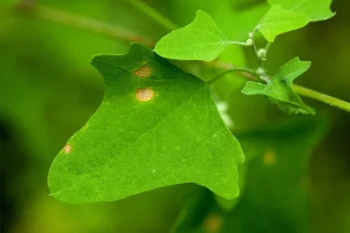
Fremont’s goosefoot won’t be the showstopper in your garden, but it has its own understated charm. This annual herb produces triangular to diamond-shaped leaves that give it a distinctive appearance. The tiny, greenish flowers cluster together in dense arrangements, creating an interesting texture rather than bold color. Think of it as the supporting actor that helps make the whole garden performance better.
Growing Conditions and Care
Here’s where Fremont’s goosefoot really shines – it’s incredibly easy to grow! This plant prefers full sun and well-drained soils, but it’s remarkably forgiving if conditions aren’t perfect.
Ideal Growing Conditions:
- Sunlight: Full sun (6+ hours of direct sunlight daily)
- Soil: Well-drained, adaptable to various soil types
- Water: Drought tolerant once established; minimal watering needed
- Climate: Hardy across USDA zones 3-10 where it naturally occurs
Wetland Status and Habitat Preferences
Fremont’s goosefoot is primarily an upland plant, meaning it usually prefers drier, non-wetland areas. Across most regions, it’s classified as Facultative Upland, which means while it typically grows in dry conditions, it can occasionally tolerate wetter soils. In the Midwest, it’s even more specifically adapted to dry conditions with an Obligate Upland status.
Planting and Care Tips
Ready to try growing this resilient native? Here’s how to get started:
- Seeding: Direct sow seeds in spring after the last frost
- Spacing: Scatter seeds in naturalistic drifts rather than formal rows
- Watering: Provide occasional water until established, then let nature take over
- Maintenance: Minimal to none required – that’s the beauty of it!
- Self-seeding: Allow some plants to go to seed for next year’s crop
Garden Design and Landscape Uses
Fremont’s goosefoot works best in naturalistic settings where its informal growth habit can shine. Consider including it in:
- Native plant gardens and prairie restorations
- Drought-tolerant landscapes and xeriscapes
- Wildflower meadows and informal plantings
- Wildlife gardens focused on supporting local ecosystems
- Low-maintenance areas where you want native coverage
Supporting Pollinators and Wildlife
While Fremont’s goosefoot might not be a pollinator powerhouse, it does its part in supporting local ecosystems. The small flowers attract various beneficial insects, and the seeds provide food for birds and small wildlife. Sometimes the most valuable plants in our gardens are the ones working quietly behind the scenes to support the web of life.
Is Fremont’s Goosefoot Right for Your Garden?
This native annual is perfect for gardeners who want to support local ecosystems with minimal effort. If you’re creating a naturalistic landscape, restoring native habitat, or simply want a plant that can handle whatever weather throws at it, Fremont’s goosefoot could be an excellent choice.
However, if you’re looking for showy flowers or formal garden appeal, you might want to pair it with more visually striking natives that bloom throughout the season. Think of Fremont’s goosefoot as the reliable friend who’s always there for you – maybe not the life of the party, but absolutely worth having around.
Give this humble native a try, and you might just find yourself appreciating the quiet resilience and ecological value it brings to your garden landscape.