Fremont’s Leather Flower: A Rare Prairie Gem Worth Protecting
If you’re looking for a truly unique native wildflower that’s both beautiful and ecologically important, let me introduce you to Fremont’s leather flower (Clematis fremontii). This charming prairie perennial might not be the showiest plant in your garden, but it’s definitely one of the most interesting – and unfortunately, one of the rarest.
What Makes Fremont’s Leather Flower Special?
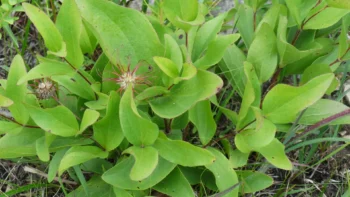
Fremont’s leather flower is a native forb that belongs to the buttercup family, though you’d never guess it from its appearance. Unlike its climbing clematis cousins that scramble up trellises, this little prairie dweller stays close to the ground as a compact herbaceous perennial. What really sets it apart are its distinctive nodding, bell-shaped flowers that have a unique leathery texture – hence the name leather flower.
The flowers are typically deep purple to reddish-purple and appear in late spring to early summer. But here’s where it gets really cool: after the flowers fade, they transform into equally attractive feathery seed heads that persist well into fall, adding textural interest to your garden long after blooming season ends.
Where Does It Call Home?
This prairie native has a surprisingly limited range, naturally occurring only in Kansas, Missouri, and Nebraska. It’s a true child of the Great Plains, adapted to the challenging conditions of prairie life.
- Species observed
- No observations
Important Conservation Note
Here’s something crucial every gardener should know: Fremont’s leather flower is considered rare in parts of its range, with an S1 status in Arkansas (meaning it’s critically imperiled there). This makes it extra special, but it also means we need to be responsible about how we source and grow it.
If you decide to grow this beauty, please only purchase from reputable native plant nurseries that ethically propagate their stock. Never collect seeds or plants from wild populations – these rare plants need every individual they can get in their natural habitats.
Why Grow Fremont’s Leather Flower?
Despite its rarity (or perhaps because of it), there are compelling reasons to include this plant in your garden:
- Unique beauty: Those leathery purple bells are unlike anything else in the native plant world
- Pollinator magnet: Native bees and other small pollinators absolutely love the nectar-rich flowers
- Drought champion: Once established, it’s incredibly drought tolerant
- Low maintenance: This prairie tough guy thrives on neglect
- Conservation impact: Growing rare natives helps preserve genetic diversity
Perfect Garden Settings
Fremont’s leather flower shines in:
- Prairie and meadow gardens
- Rock gardens and xeriscapes
- Native plant collections
- Pollinator gardens
- Areas with challenging, dry conditions
It’s particularly stunning when planted in drifts alongside other prairie natives like purple coneflower, wild bergamot, or little bluestem grass.
Growing Conditions and Care
The good news is that once you get your hands on this rare beauty, it’s surprisingly easy to grow – as long as you remember it’s a prairie plant at heart.
Hardiness and Climate
Fremont’s leather flower is hardy in USDA zones 4-8, making it suitable for most temperate regions.
Soil Requirements
This plant is all about drainage, drainage, drainage! It prefers:
- Well-draining soils (clay soils need amendment)
- Slightly alkaline pH
- Rocky or gravelly soils are perfectly fine
- Avoid wet, heavy soils at all costs
Light Needs
Full sun is essential for best flowering and overall health. This prairie native wants at least 6-8 hours of direct sunlight daily.
Planting and Care Tips
Planting
- Plant in spring after the last frost
- Space plants about 18-24 inches apart
- Dig holes twice as wide as the root ball
- Amend heavy clay soils with coarse sand or gravel for drainage
Watering
Water regularly the first year to help establish the deep taproot, then step back. Once established, this drought-tolerant native actually prefers dry conditions and can be damaged by overwatering.
Maintenance
Here’s the best part – there’s almost no maintenance required! You can leave the attractive seed heads for winter interest and cut back in early spring if desired. No fertilizing needed; this prairie native actually prefers lean soils.
A Word of Caution
One important thing to know: Fremont’s leather flower develops a deep taproot, which makes it very drought tolerant but also means it doesn’t like to be moved once established. Choose your planting location carefully because transplanting mature plants is often unsuccessful.
The Bottom Line
Fremont’s leather flower might be small and rare, but it’s a true prairie treasure that deserves a place in more gardens. By growing this unique native responsibly, you’re not just adding beauty to your landscape – you’re participating in conservation efforts to preserve one of our rarest wildflowers.
Just remember: source ethically, plant in well-draining soil, give it full sun, and then step back and let this prairie survivor do what it does best. Your local pollinators will thank you, and you’ll have the satisfaction of growing one of the Great Plains’ most distinctive wildflowers.