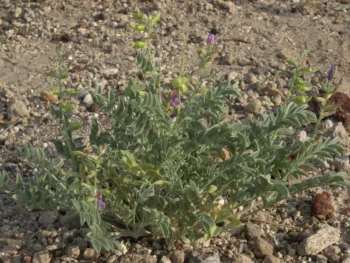
Fremont’s Milkvetch: A Desert Gem for Water-Wise Gardens
If you’re looking to create a stunning desert landscape that supports local wildlife while requiring minimal water, Fremont’s milkvetch might just be the perfect addition to your garden. This charming native wildflower brings delicate beauty to arid landscapes while playing an important ecological role in its native habitat.
What is Fremont’s Milkvetch?
Fremont’s milkvetch (Astragalus lentiginosus var. fremontii) is a biennial wildflower native to the southwestern United States. As a member of the legume family, this plant has the remarkable ability to fix nitrogen in the soil, making it a valuable addition to desert ecosystems. You might also see it listed under its scientific synonyms, including Astragalus fremontii.
Where Does It Grow Naturally?
This hardy desert dweller calls the Mojave Desert region home, naturally occurring across California, Nevada, and Utah. It thrives in the challenging conditions of desert washes, rocky slopes, and sandy flats where few other plants can survive.
- Species observed
- No observations
Why Consider Planting Fremont’s Milkvetch?
There are several compelling reasons to include this native beauty in your landscape:
- Water-wise gardening: Once established, it requires minimal irrigation, perfect for drought-tolerant landscapes
- Pollinator magnet: The purple to lavender pea-like flowers attract native bees, butterflies, and other beneficial insects
- Soil improvement: As a legume, it naturally enriches soil by fixing nitrogen
- Low maintenance: This tough native requires little care once established
- Authentic desert look: Adds genuine native character to xeriscapes and rock gardens
Garden Design and Landscape Use
Fremont’s milkvetch works beautifully in several garden settings:
- Rock gardens: Its low-growing habit and silvery-green foliage create lovely texture among stones
- Desert landscapes: Perfect for authentic southwestern xeriscaping
- Native plant gardens: Pairs well with other desert natives like desert marigold and brittlebush
- Ground cover: Can spread to form attractive patches in suitable conditions
Growing Conditions and Care
Success with Fremont’s milkvetch comes from mimicking its natural desert habitat:
- Sunlight: Requires full sun for best growth and flowering
- Soil: Thrives in well-draining sandy or rocky soils; avoid heavy clay
- Water: Drought-tolerant once established; overwatering can be fatal
- pH: Prefers alkaline soils typical of desert environments
- Hardiness: Suitable for USDA zones 8-10
Planting and Establishment Tips
Getting Fremont’s milkvetch established requires patience and the right approach:
- Timing: Plant seeds in fall to allow natural winter stratification
- Direct seeding: Best grown from seed sown directly where you want it to grow
- Soil preparation: Ensure excellent drainage by adding sand or gravel if needed
- Watering: Provide minimal water during establishment, then rely on natural rainfall
- Patience: As a biennial, expect flowers in the second year
Important Considerations
Before adding Fremont’s milkvetch to your garden, keep these points in mind:
- This plant is specifically adapted to desert conditions and may not thrive in humid climates
- It’s a biennial, so individual plants complete their lifecycle in two years
- Source seeds or plants from reputable native plant nurseries
- Allow plants to self-seed to maintain populations in your garden
The Bottom Line
Fremont’s milkvetch is an excellent choice for gardeners in arid regions who want to create sustainable, water-wise landscapes that support native wildlife. While it requires specific conditions to thrive, this charming desert native rewards patient gardeners with delicate flowers, low maintenance needs, and the satisfaction of growing a plant that truly belongs in the landscape. If you’re gardening in zones 8-10 and have well-draining soil, this little milkvetch could be the perfect addition to your native plant collection.